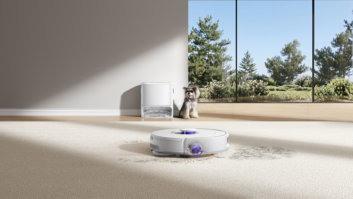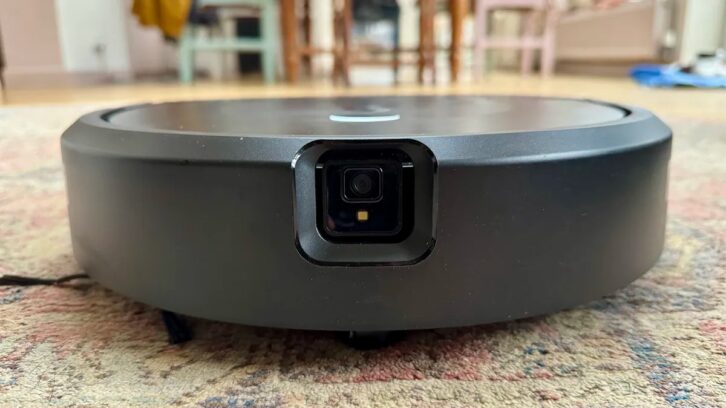
In the decades since their introduction, robot vacuums have become regular fixtures in many homes, with their ability to clean floors improving vastly. According to Business Research Insights, nearly 42% of households in the U.S. own a robot vacuum. The success of the category even sparked specialty versions capable of mopping or moving small objects with a robotic arm.
But it seems robot vacuums are now too smart for their own good, at least according to the Federal Communications Commission (FCC). In an August 2026 update, the FCC concluded that most foreign-made advanced robotic devices no longer qualify for certification — effectively banning many devices, including robot vacuums. This presents a new challenge to retailers, especially ones heavily vested in the category. Let’s explore the reasoning behind this ban and how it might affect retailers.
What is the ban about?
The FCC curates a Covered List of devices ineligible for the FCC equipment authorization process governing the majority of tech sold in the U.S. Aside from the categories added in August 2026, the list mentions drones, routers, and a few companies deemed an “unacceptable risk to the national security of the United States or the security and safety of United States persons.” The most common thread among entries on the Covered List is the potential for surveillance by foreign organizations.
It’s also another tool used by the Trump Administration to encourage companies to shift manufacturing capacity to the U.S. To qualify as U.S.-made, 65% of the total component cost of the device must be domestic, rising to 75% in 2029. Foreign manufacturers have the option to bypass the restrictions by applying for Conditional Approval, which requires evaluation by multiple national security departments.
Why the ban includes robot vacuums
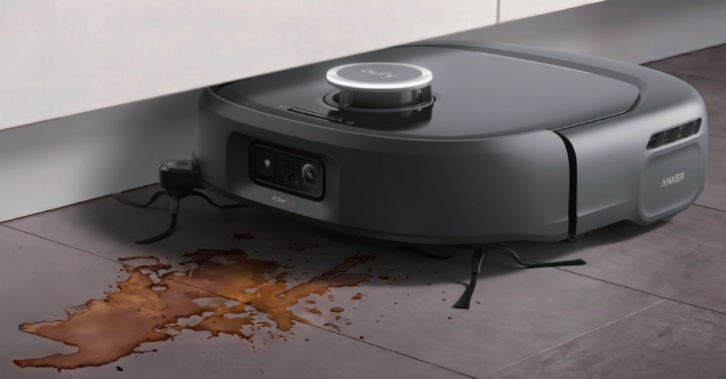
According to FCC definitions, a product no longer qualifies for authorization if it has basic navigation, movement, remote command capabilities, and contains sensor and network components. Additionally, a product fails if the “combined weight of the device and, if applicable, ground station or docking station is over 4.4lbs.” While some robot vacuums weigh less than the limit, like the BLACK+DECKER Roboseries, the inclusion of much heavier docking stations means few, if any, robovac products meet the new standards.
Based on the new rules, foreign manufacturers have two primary options that don’t involve building new factories in the U.S. First, brands can continue to make and sell existing models that earned FCC approval before the Covered List update, as the list isn’t retroactive. Second, it’s entirely possible that foreign manufacturers will introduce lighter, smaller, or dockless robot vacuum models below the FCC’s weight limit to eliminate the need for U.S.-based manufacturing operations or Conditional Approval. The risk here is the FCC reducing weight limits to levels that can’t feasibly work for robot vacuums, particularly when accounting for the density of motors.
Analysis: How the ban affects retailers now and in the future
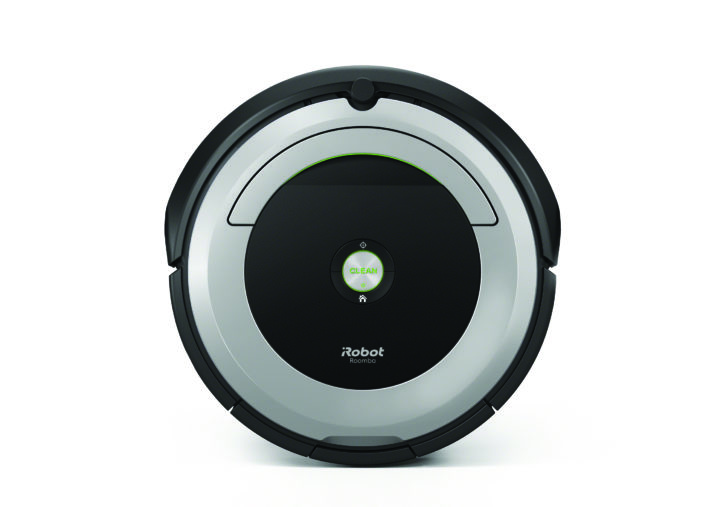
Since the ban doesn’t affect existing products with FCC approvals, it won’t change things in the near future for retail inventory. That said, the biggest challenge facing retailers is the increased scrutiny for the products getting Conditional Approval, which may prevent the latest products from making it to the U.S. market as quickly — if at all.
While this likely won’t change the strategy for local brands beyond sourcing new robot vacuums and similar products, the effect on large multinational retail brands is much starker. They will need separate marketing and logistics processes for different regions. Because this type of multiprong approach already exists to some extent in many industries, the change for larger companies will likely be minimal. The largest retailers may also be able to influence the Conditional Approval process through lobbying.
With the ban likely not showing its full effect until 2027, it’s difficult to predict exactly how the market will shift, and how many foreign companies will earn certification without also shifting some manufacturing capacity stateside. Retailers should keep their eyes on the robovac category — as well as the related robot lawnmower category — over the next few months to see how the situation develops.
See also: The Smart Home’s Next Challenge Isn’t Innovation. It’s Seamless Integration