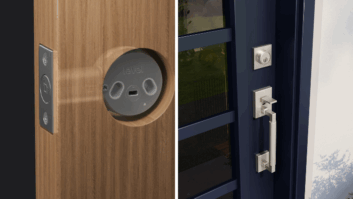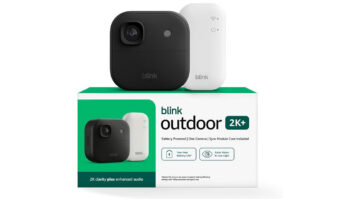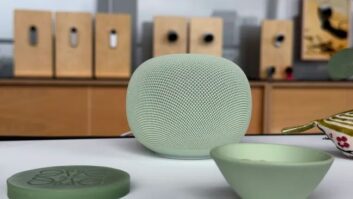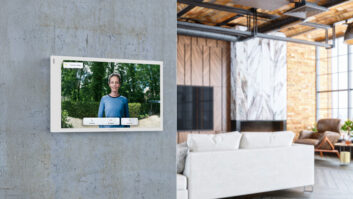
Video doorbells, automated lighting, connected thermostats, and security cameras have become part of everyday life. Smart locks have also evolved from a niche product into a feature consumers expect in modern homes and multifamily communities. According to Parks Associates, roughly 11% of U.S. internet households now have a smart lock, and that number continues to grow.
Now that consumers have bought into the idea of the smart home, the challenge is delivering an experience where every device works together and makes daily life a little more effortless.
Customers Don’t Want to Be Locked Into One Ecosystem
As the smart home market has matured, we’ve seen a shift in the questions customers are asking. A few years ago, conversations predominantly centered on product features, and today, product flexibility and connectivity are the main concerns.
For both homeowners installing their first piece of smart home technology and developers outfitting hundreds of apartment units, the question is: Am I making the right long-term investment? No one wants to invest in hardware today only to discover they’re locked into a platform that limits their options tomorrow. That’s why flexibility has become such a competitive advantage.
The companies that strive for greater interoperability are helping remove one of today’s largest barriers to adoption: uncertainty about what comes next.
The Retrofit Opportunity

While it’s easy to tether conversations about smart homes to new builds, some of the most lucrative opportunities are in updating existing structures. Across North America, millions of single-family homes and multifamily properties have existing doors, locks, and access systems. Homeowners aren’t looking to replace infrastructure that still works. Instead, they’re looking for practical, cost-effective ways to modernize it.
Retrofitting existing infrastructure is one of the fastest paths to modernization. It allows homeowners to improve security and increase convenience while reducing installation costs with minimal disruption.
Why the Smart Lock Has Become the Foundation
We often say the gateway to the smart home is the smart lock, and there’s a good reason for that.
Access is one of the first interactions people have with their home. Just by unlocking the front door, integrated access systems can trigger lights, adjust the thermostat, disarm a security system, and even notify family members that someone has arrived safely.
These capabilities have become especially valuable for those aging in place. Smart access gives family members and caregivers the ability to provide support and care from a distance while empowering people to maintain their independence. This independence can make a marked difference in the quality of life for both those receiving care and those providing it through remote access management, live entry point security and status monitoring, and ensuring the right people can get access into a home quickly in the chase of an emergency.
For multifamily properties, smart access makes operations much more efficient. It allows credentials to be issued remotely, eliminates rekeying costs, and gives maintenance teams temporary access without coordinating physical keys.
Once people experience the benefits of a smart lock, they’re more likely to want to add other smart tech to their home.
The Next Chapter of the Smart Home
The smart home industry has come a long way. Not long ago, the focus was on introducing consumers to connected technology and showing them what it could do. Today, the value of smart home technology is well understood. The conversation in the industry has shifted from convincing people to adopt smart home devices to helping them build an experience that feels connected from the start.
Consumers aren’t asking for more devices; they want products that work together seamlessly, fit naturally into their routines, and continue to make life more effortless as their homes and technology evolve. At the same time, builders, property owners, retailers, and integrators are looking for solutions that offer flexibility, protect long-term investments, and leave room for future innovation.
Ultimately, the future of the smart home won’t be defined by the number of connected devices in a home. It will be defined by how well those devices work together. When technology does what it’s supposed to do, connected living will finally become as effortless as it was always meant to be.
See also: One AI Course Won’t Prepare Every Role