 Almost everywhere you look, you’ll find subscriptions. Major software companies have long since adopted the Software as a Service (SaaS) model, while the streaming revolution produced a similar transformation for content delivery. The practice even seeps into hardware-oriented industries like automotive and wearable tech.
Recently, there’s been a growing trend of home appliance manufacturers testing the waters of the subscription model as a way to increase and stabilize revenue. Let’s explore why brands add monthly fees, the drawbacks and benefits of such a model, and how retailers can help customers navigate the landscape.
Why are monthly fees so attractive?
According to Bain & Company, a global consulting firm, “As competition intensifies and hardware-driven innovation slows, maintaining profitable growth in a product-centric model is becoming increasingly difficult.” The firm goes on to explain that a solutions model (subscriptions and services) can help boost growth and customer relationships, but it also attracts new competitors specializing in services into the industry.
Countertop kitchen appliances are traditionally a low-margin segment, meaning that the cost of manufacturing, marketing, and logistics offsets much of the revenue potential. It’s especially difficult to convince a customer to pay $150 for a toaster when many reliable alternatives can achieve acceptable performance for much less. Likewise, innovating new features can be risky and expensive, especially if they don’t translate to increased sales or brand awareness.
With the race on to add mobile app controls to ever more appliances, many manufacturers eventually contend with the increased cost of innovation, and simply maintaining the infrastructure behind an app is more complex than it appears. Traditionally, brands factored these costs into the price of the product, much in the same way they do for research and development expenses. This may work for companies selling both smart and low-tech appliances, but it’s unsustainable when every product uses a server.
On top of offsetting operating expenses, it turns out that recurring monthly revenue is a golden goose that ensures a company can make money even when it’s not selling a product. Done correctly, value-added subscription services create a stable revenue stream and build brand loyalty as it updates existing products.
How a monthly fee can hurt a product
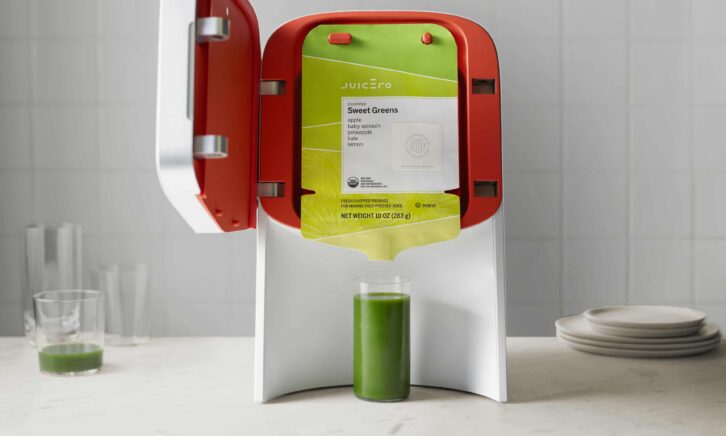
Perhaps the biggest cautionary tale for subscription-based kitchen appliances is Juicero, which locked customers into a proprietary system. The “smart juicer” claimed to simplify the process of fresh-squeezed juice at home without a messy cleaning process. It achieved this by selling unique single-serving juice packs that used the machine as a dispenser instead of an actual juicer.
While it tried to capture the same convenience as the Keurig K-Cup, Juicero failed to understand that it wasn’t adding value for consumers at the price it charged. Instead, it served as an overly complicated way to deliver juice well above acceptable consumer prices. The company shut down in 2017 after just 16 months on the market.
Where an appliance subscription model makes sense
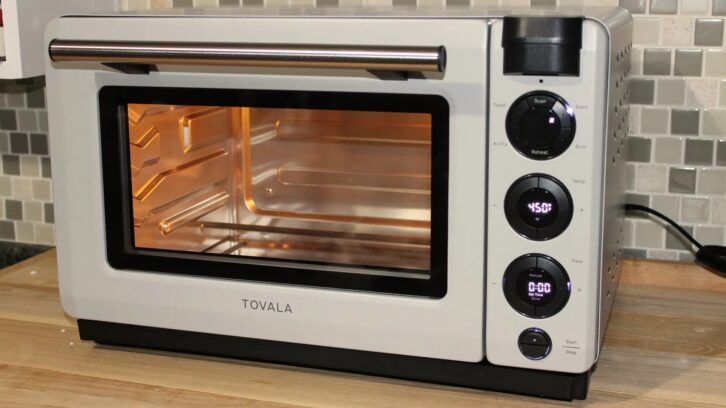 We can use the flaws in Juicero’s strategy to help highlight a few success stories for countertop kitchen appliance subscription adoption. At first glance, Tovala’s business strategy is similar to Juicero’s—it offers a meal delivery service with food that customers can make in the Tovala Smart Oven. Unlike Juicero, Tovala’s product isn’t simply a dispenser, but a means for accessing quick meals with consistent preparation.
Importantly, it’s possible to use the Tovala Smart Oven without subscribing to the meal service, and customers can prepare the meal kits without the proprietary oven—even if Tovala would prefer otherwise. Ultimately, this is a great example of how Tovala’s optional plan stays competitive.
Anova, which made its name in the sous vide cooker segment, caused a stir in 2024 by announcing that it was moving to a subscription model after previously offering free mobile app usage. Part of its justification was the increasing cost of maintaining service for a growing user base. While Anova still allows users to control a single device remotely, the brand’s cooking notifications, cooking history, and extensive library of guided recipes landed behind a paywall. This is a tougher sell than a meal subscription service, but highlights that transitioning existing products to a subscription model is far from a smooth process.
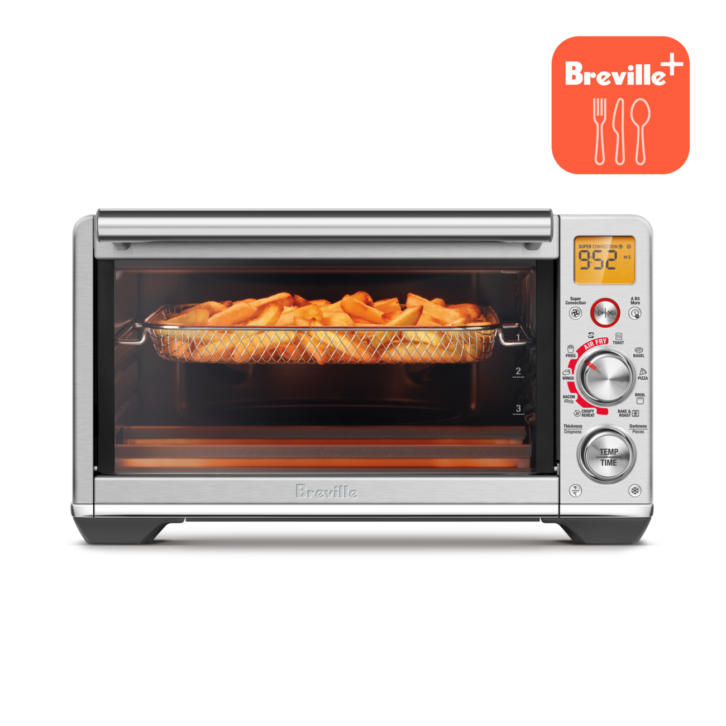 On the opposite end of the spectrum from Anova is Breville, which offers a free app with each appliance purchase. Breville+ doesn’t really count as a subscription, since there’s no monthly fee, but it provides added value to customers in the form of recipes from respected publications like America’s Test Kitchen, New York Times Cooking, and ChefSteps. This type of arrangement allows Breville to better serve users while providing licensing revenue and added visibility to recipe creators.
In terms of how each of the aforementioned brands might fare in the future, Breville demonstrates that an increased purchase price is likely the safest bet compared to Anova’s paywalled subscription model, which may or may not be successful. Tovala is in more of a gray area, as its smart oven and meal delivery service could each work independently as necessary.
How retailers can help customers decide if a subscription is worth it
Many consumers hesitate to commit to products with connected features, especially those backed by a subscription. This is an understandable impulse, as high-profile failures like Juicero left customers with useless tech as the companies shut down. While there’s no way to know if market conditions will cause a company to cease offering services, retailers can address concerns by training sales staff to know what a subscription entails and if the monthly fee makes sense for a given customer.
Additionally, retailers should continue to offer alternative products for consumers. This is especially true for consumers running hospitality services like hotels and short-term rentals. A toaster with a Wi-Fi connection hardly matters when a guest stays for a single night. Whatever the case, the potential for subscription-based countertop appliances is still up in the air, and caution is always a good policy.
See also: GE Appliances To Use More U.S.-Made TI Chips In Next Laundry Platform