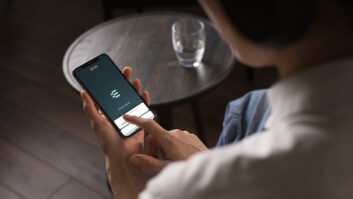
Smartphones have become an indispensable part of business, but consumer-grade models aren’t always up to the task in heavy industries. These worksites introduce a host of factors beyond the durability limits of consumer smartphones: dust, temperature swings, vibration, impacts, chemical exposure and adverse weather conditions. Not only do the extreme conditions of the work environment increase the likelihood of damage during accidents, but job-site wear and tear is also harsher on consumer-grade devices.
Retailers who can clearly communicate these risks to small business owners are already on the path to helping with successful rugged smartphone deployments. A recent blog post by Scalefusion suggests that rugged devices can benefit industries like manufacturing, utilities, healthcare, public safety, extraction, construction and transportation.
Here are some considerations for retailers looking to integrate rugged smartphones into their small business offerings.
Take a strategy-based approach to rugged smartphones

Rather than listing specifications and offering a wide selection of rugged devices in the hopes that a contractor will make a purchase, retailers should make a direct comparison to “bring your own device” (BYOD) strategies. Many companies cut costs by adopting BYOD strategies for their employees, but this tactic can backfire in heavy industrial settings.
For example, an employee losing access to their personal phone has the potential for costly project delays through loss of communication or specialized software tools, as well as forgetting to charge the device before arriving on site. But a company that adopts an on-site device management strategy can prevent expensive downtime. Here’s how a typical strategy would look:
All employees receive training on the use, care, and troubleshooting of their company-issued devices. They’ll start each shift by grabbing their devices from a designated storage area, including a quick evaluation of the battery charge and overall condition. Importantly, there should be a few backup devices—preloaded with tools and apps employees need—and batteries available in case a checked-out unit malfunctions during the shift.
While the above rugged smartphone strategy is far from comprehensive, each element is an opportunity for retailers to smooth out the learning curve for small businesses that may not have an IT department or device management plan. By offering training and ongoing service, you can ensure their deployment strategy finishes without a hitch.
Likewise, you can go a step further by sending support personnel into the field to meet your clients. This has two major advantages: versatility and experience. By addressing client needs onsite, your team has more information to help with problem-solving—they can find and fix issues faster when they understand the extreme conditions. On the experience side, you can use the time for hands-on development of the device service strategies you sell to your clients while building a rapport to nurture future business opportunities.
Building your rugged smartphone offerings
Once you lock down a deployment strategy for small business clients, it’s time to find suitable devices. As Apple doesn’t currently offer rugged smartphones, you can expect all of the major players in this market to run Android. (While rugged iPhone cases from brands like Otterbox and Rokform are certainly an option, they won’t address harsh temperatures.)
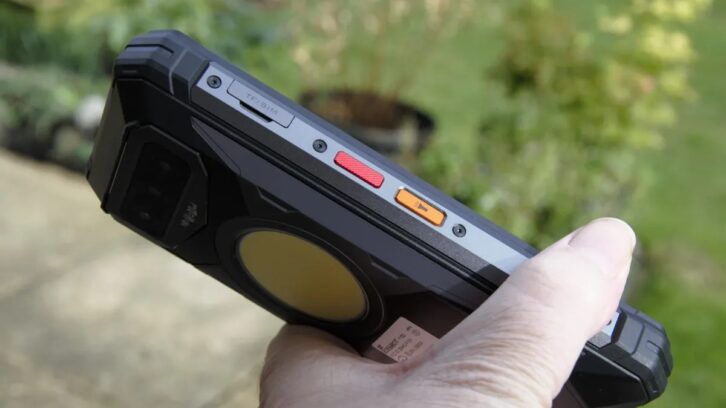
Broadly speaking, there are two types of rugged smartphones: general use and specialty. General-use devices function more or less like a typical smartphone while offering increased durability and battery life. Models like the Doogee S200, Samsung Galaxy XCover Pro, and Nokia XR20 comfortably fit into this category—the Galaxy XCover7 Pro is especially notable for its removable battery.
Specialty devices, on the other hand, add features you’ll rarely encounter on a standard smartphone. For example, the AGM Glory G1 Pro has enhanced cold protection down to -40 degrees Fahrenheit. In contrast, the iPhone’s lowest rated temperature is a relatively balmy 32º F.
Thermal imaging is another special feature on many models, like the Cat S62 Pro and Ulefone Armor 11T 5G. One particularly noteworthy specialty model is the 8849 Tank 3 Pro, which boasts a built-in projector, camping light and infrared night vision camera.
Despite their enhanced durability and powerful features, rugged smartphones have one major weakness that retailers must address when speaking with potential buyers: bulk. Rugged smartphones are almost always larger and heavier than a typical smartphone—the Tank 3 Pro weighs a whopping 1.5 pounds. While price can be a concern for some buyers, some models are available for under $300 from brands like Oukitel and Nokia.
Rugged smartphones will likely never land on the radar of most consumers, but they are indispensable tools for businesses in extreme conditions. Positioning your retail operation to fill this niche can provide a helpful resource for your small business clients.
See also: Global Smartphone Market Sees Year-Over-Year Growth