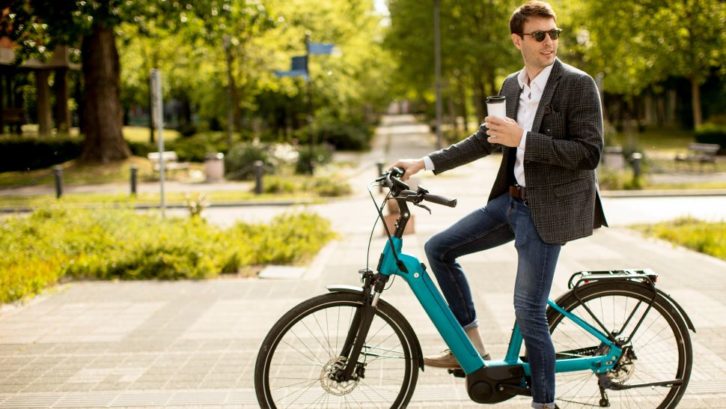
The car has long been a staple of modern life. It helps people travel beyond their hometown and into a wider world. But it’s also a bulky, increasingly expensive investment that’s often less than ideal for short-distance travel—especially in urban areas. However, a new generation of micromobility tech, like e-bikes and e-scooters, is increasingly challenging the notion that a car is a mandatory part of every household. According to a recent Rider Report by Veo, a micromobility manufacturer, one-third of 15,000 riders “have decided they do not need a car or have postponed buying a car.”
Let’s explore how micromobility can work for commuting, errands, and recreation, to gain insight into how some customers now think about transportation. Retailers can use this information to create strategies for serving customers and helping them adapt to a life where a car is optional.
A better commute
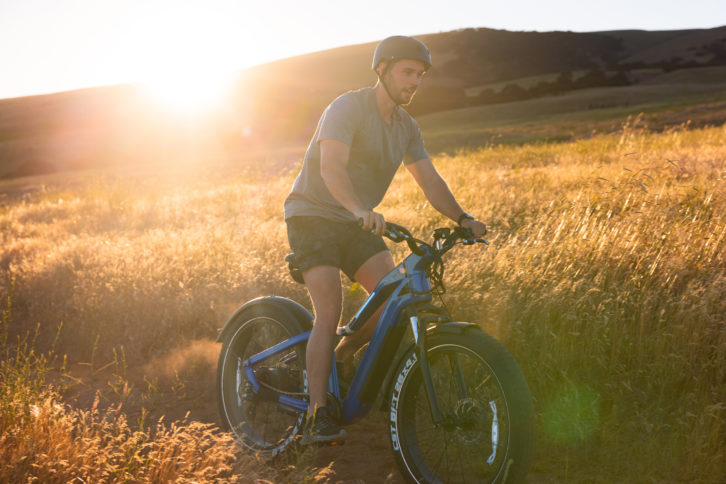
It’s impossible to apply micromobility as a universal car replacement for every daily commute, but it can show people that other possibilities exist. Finding the best strategy means evaluating existing commutes: times, distances, city layouts, route options, and transit availability. Let’s consider some hypothetical urban and suburban car commuter scenarios.
An urban commuter likely has access to public transit, but the closest stop may be too far, have infrequent service, or be less accessible on foot from where they live or work. Similarly, they may know of alternate routes that otherwise require a significant detour at walking speeds. Ultimately, they drive for on-site parking and easy access, even when traffic inflates the travel time.
With an e-bike or scooter, this commuter shrinks the time to the office by opening up transit possibilities, less-crowded routes, or cutting stress for a slightly longer—yet still reasonable—travel time. Charging an e-bike overnight at home also eliminates fuel stops during a commute. It may even be enough of a benefit to consider selling a car they otherwise don’t need.
The situation for a suburban commuter is more complex, with most people in these communities needing cars by default. This environment magnifies the challenges commuters face to access the same resources as an urban dweller. For example, transit and alternate paths may only be accessible by car, making it easier to justify going the entire way when they’re already driving.
E-bikes are more suitable car replacements for suburban residents—scooters lose some of their charm over long distances—if there’s a clear alternative that’s just out of reach. They also cut back on the costs of fuel, maintenance, and parking when traveling to an urban workplace. People in suburban areas with suitable bike paths may even find a more direct route through areas inaccessible to cars.
Running lean while running errands
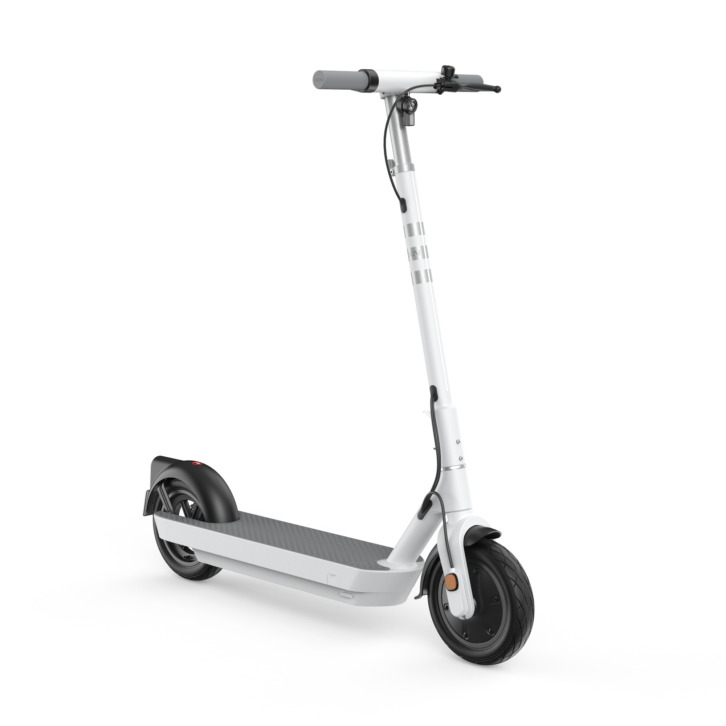
Typical work schedules mean that many people in the United States shop weekly for groceries, as the whole process of traveling to and from the store via car turns an otherwise simple activity into a major undertaking. While commuters tend to benefit from alternate physical routes, someone running errands may find that micromobility can positively shift their behavior.
A scooter or e-bike might lack cargo capacity—though brands like Lectric offer cargo-specific options—but it simplifies a grocery run into a quick task to pick up ingredients for a day or two. (Rather than piling a week’s worth of groceries in the trunk.) In this scenario, the rider can make a small shopping list of items that are easily accessible so they don’t have to wander the store grabbing everything they might need.
If a store is close enough, an electric scooter may be a faster way to traverse surface streets, spend 10 minutes in the store, and return home with little to no time spent waiting at traffic lights, searching for parking spots, or dealing with shopping carts. This mentality can also apply to a dentist appointment or city office.
One major challenge facing micromobility for errands is how it helps parents. While some larger families may require an SUV to travel efficiently, small families can opt for e-bikes with child seating to reduce car dependency on quick trips. Similarly, a family might invest in multiple scooters or e-bikes to help older children get to school, ride together for errands, or visit friends without needing a parent to drive them. Ultimately, the cost of extra e-bikes may save money and time compared to large family cars.
When a car-free family needs a car for a specific task, then the wealth of rideshare, carshare, rental, and delivery services can largely make up the difference. This may not be as feasible in low-density suburban and rural locations, but remains an option.
Getting more freedom in free time
While the benefits of micromobility tech are more obvious for productive activities, it’s often uniquely suitable for recreation compared to cars. Provided riders respect local rules around speed limits, particularly on shared pedestrian paths, an e-bike opens up avenues for casual recreation at local parks and trails normally too far to walk to or tedious to access by car.
Fully-motorized e-bikes can help preserve strength and energy for people with accessibility challenges. Likewise, pedal-assist models can supplement exercise and serve as a warm-up for strenuous hikes. Users will need to be mindful of places to secure their vehicles at trailheads or parks, but any place that already hosts bike racks is a good start.
How retailers and businesses can cater to micromobility tech
Retailers are in a unique position to offer on-site infrastructure for mobility tech. This may take the form of converting a few parking spaces to e-bike and scooter parking, or adding bike racks near storefronts. Likewise, there are increasing opportunities to offer assistance with maintenance, safety, or selling the micromobility vehicles themselves. There’s also a business case for adding a fleet of e-bikes for short-distance deliveries to help small businesses compete with corporations.
See also: Retail Powerhouses Embrace Micromobility: Trends And Innovations In E-Bikes And E-Scooters