As rising memory prices add pressure to the cost of new smartphones, replacing a mobile phone can be harder for some consumers to absorb. That makes choice more important, giving consumers more ways to balance the technology they need with the price they can afford. The latest model will still be the right choice for many, but not every replacement needs to start with buying brand new.
Today, consumers have more ways to stay connected, manage costs, and get more value from their current mobile phone. Trade-in and upgrade programs can help reduce the cost of moving to a different mobile phone, while certified pre-owned devices can offer a dependable option when buying new is not the best fit.
That choice matters most when consumers need flexibility—whether they urgently need to replace a broken mobile phone, are trying to stay within budget or are looking for a practical way to upgrade their mobile phone without spending more.
More Ways to Replace, Upgrade and Stay Connected

The mobile device lifecycle has become more flexible. Instead of following a single path—buy, use and replace—devices now move through a broader ecosystem of protection, repair, trade-in, upgrade and resale.
A trade-in can help offset the cost of a new or pre-owned mobile phone. A protection program can help when something goes wrong. And a certified pre-owned device can provide a reliable replacement when cost, urgency, or an unexpected, unbudgeted expense make buying new less practical.
The goal is not to move consumers away from new mobile phones. It is to give them more confidence and choice when they decide what comes next.
Behind the scenes, this means managing devices end-to-end—from protection through refurbishment and resale—so more devices can retain value beyond their first owner.
When Certified Pre-Owned Makes Sense
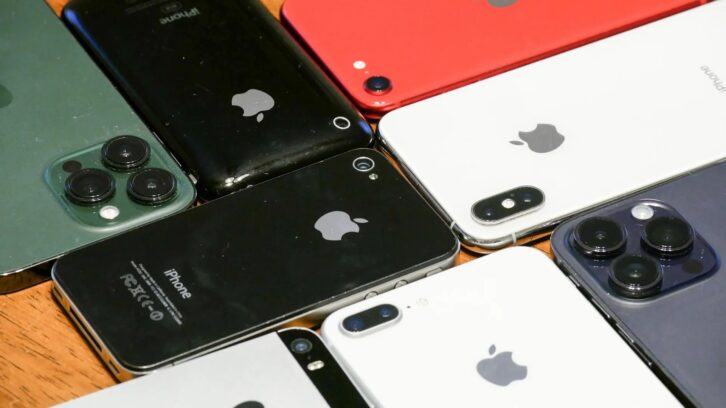
New mobile phones remain an important part of the market, especially for consumers who want the latest technologies, features, performance, and design. Certified pre-owned devices will not replace new phones; rather, they add another trusted option for consumers who want a lower-cost alternative or need to replace a phone quickly.
Assurant research shows that nearly half of smartphone owners in the U.S. have already purchased a previously owned mobile phone, and tellingly, 71% of consumers would be more loyal to their carrier if competitive CPO devices were available. As consumers become more familiar with the value proposition, these factors will continue to grow.
Building Confidence in Pre-Owned Devices
For pre-owned devices to be a credible choice, consumers need confidence. They want to know a device has been tested, that it will perform reliably, and that prior user data has been removed. That is what turns pre-owned into certified pre-owned: a process that gives buyers more proof of quality, transparency and trust.
At scale, leading providers use structured processes designed to prepare mobile phones for their next owner, including:
- Comprehensive intake and inspection processes: Devices are reviewed before they move into resale or reuse channels.
- Automated diagnostic testing: Functionality is validated consistently and at scale.
- Standardized grading: Quality and condition are communicated more clearly and transparently.
- Battery and performance validation: Consumers get more confidence that the device can meet their everyday needs.
- Certified data wiping: Prior users’ information is securely removed before the device is resold.
These steps matter because trust remains one of the biggest hurdles for consumers considering a previously owned phone. Assurant research found that 26% of consumers who have not bought a used phone cite lack of trust in the process as a reason, while only 6% cite insufficient value. A certification process helps close that gap by giving buyers clearer signals that a device has been inspected, tested, graded, had its battery and performance validated, and had prior user data securely removed.
That distinction is important: “used” can feel uncertain, but certified pre-owned gives consumers more proof of quality and transparency. When shoppers can see that a device has gone through a structured certification process—and understand what that process includes—it helps address common concerns around reliability, longevity, battery health, privacy and overall condition. That consistency makes certified pre-owned devices a more practical alternative when consumers balance cost, convenience, and confidence.
More Choice When Cost or Urgency Matter
The value of today’s device ecosystem is that consumers do not have to rely on one path—the single option of buying new. Depending on their needs, they can choose the newest phone, use protection or repair options, consider a certified pre-owned replacement and/or trade in a device to further reduce the cost when buying new or pre-owned.
- Lower upfront costs: A certified pre-owned device can offer a more affordable replacement when buying new is outside a consumer’s budget.
- Greater flexibility: Trade-in and upgrade programs can help reduce the cost of moving to a different phone, whether new or pre-owned.
- Urgent replacement options: When a phone breaks and waiting is not realistic, a certified pre-owned device can help consumers get reconnected quickly while spending less.
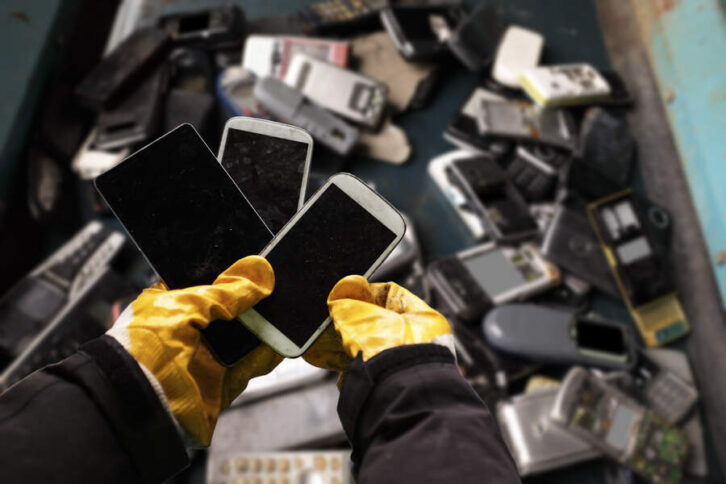
Those choices can also help keep mobile phones in circulation longer, significantly reducing electronic waste and making better use of existing technology.
Choice, Not Trade-Off
As phone prices continue to rise, consumers can be more thoughtful about when buying new is the right choice and when a certified pre-owned device makes sense.
That does not signal a move away from new phones. It reflects a more flexible market where consumers can make the choice that best fits their budget, needs, and urgency.
For some, that will mean buying the latest model. For others, it may mean choosing a certified pre-owned device when they need a reliable replacement quickly, with trade-in value helping reduce the cost whether they buy new or pre-owned.
At its core, a stronger device lifecycle gives consumers more choice and more control. New phones will continue to play an important role, while trade-in, protection and certified pre-owned options help ensure consumers have practical, trusted ways to replace, upgrade and stay connected when cost or urgency matter.
Consumers already understand this model in the auto market: people have traded in cars and bought used vehicles for decades, with trust often shaped by where they buy and whether the vehicle is certified. The mobile market is moving in a similar direction. As smartphones become more valuable and more expensive, certification, trade-in and resale programs can give consumers more confidence that a pre-owned device is not just a lower-cost option, but a trusted way to get the technology they need.
About the Author
Jeremy Purvis is Senior Vice President of CPO Solutions at Assurant, where he leads programs that extend the life of connected devices by bringing high-quality, certified pre-owned devices to consumers. His work supports more sustainable device lifecycle solutions while creating value for clients and customers.
See also: Executive Insight: The Sustainability Shift – A New Age In Consumer Tech Preferences