Omdia has released its latest TV Sets (Emerging Technologies) Market Tracker Forecast, highlighting the market growth RGB LED TVs are predicted to undergo in the coming years. Omdia forecasts that RGB LED TVs will account for 13% of global TV set revenue by 2030.
RGB LED backlight technology began reaching retail floors in the first quarter of 2026, marking the latest innovation in the TV set market. Its emergence reflects how TV brands are prioritizing premium display features as they look to grow revenue beyond traditional commodity hardware.
Mini LED and RGB LED technologies are expected to be the key growth drivers for the TV market through 2030, helping bridge the gap between high-end picture quality and manufacturing affordability. Together, these technologies address some of the peak brightness and burn-in limitations associated with traditional OLEDs, while supporting consumer demand for larger, more cinematic, and energy-efficient displays.
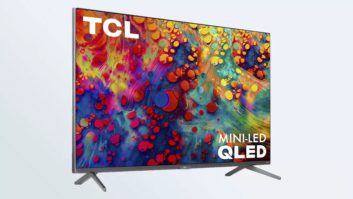
Mini LED technology avoids the high manufacturing costs associated with true Micro LED or OLED panels. It enables LCD-based TVs to deliver local dimming, deeper blacks, and high-contrast performance at a low price point, strengthening the value proposition in the premium TV segment. Unlike OLEDs, Mini LED backlighting can also deliver high brightness level , often exceeding 5,000 nits, making TVs suitable for vibrant HDR performance and daytime viewing in bright rooms.
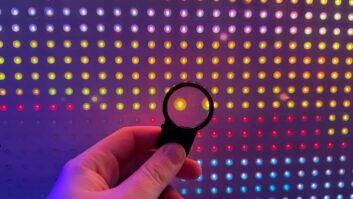
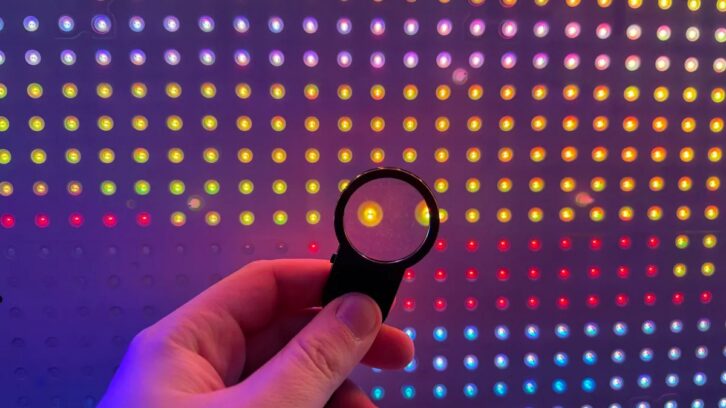
The TV industry is also beginning to transition toward true RGB LED backlighting. Recent innovations from manufacturers including Samsung, LG, and Hisense are moving Mini LEDs beyond the traditional blue LED-plus-quantum-dot approach. By using direct red, green, and blue diodes at the backlight source, RGB LED backlighting can reduce reliance on color filters, deliver purer colors and cover up to 100% of the ultra-wide BT.2020 international color standard. As consumers increasingly use TVs for gaming, streaming, and ambient digital displays, Mini LED and RGB LED technologies provide vivid color performance without the risk of screen burn-in associated with some OLED TVs.
The shift toward high-brightness, energy-efficient displays is projected to grow global Mini LED TV shipments from under 18 million units in 2026 to nearly 30 million units by 2030, representing growth of more than 60%. Over the same period, global RGB LED TV shipments are forecast to rise from 1.1 million units in 2026 to 7.1 million units by 2030, representing growth of more than 500%. OLED TV shipments are expected to remain broadly flat at 6.9 million units between 2026 and 2030, while conventional LED backlight TV set shipments are forecast to decline by 7%.
“RGB LED signals a major transformation in the TV set market,” said Patrick Horner, Practice Leader, TV Set Research, Omdia. “The era of display compromise is coming to an end. Through 2030, the combination of Mini LED efficiency and true RGB LED color purity will create significant opportunities for panel suppliers and TV brands. Panel suppliers can improve yield and profitability, while TV brands can target the premium mass market with larger, brighter and more immersive displays. This is not just a gradual technology update. It represents a key architecture for the next decade of TV industry growth.”
See also: TV Pricing Is Resetting As Promotions Intensify And Premium Dynamics Shift