The global TV market is entering a new pricing phase. It’s not being driven by steady value growth, but by promotional intensity, product mix shifts and increasingly dynamic retail execution.
Our latest TV pricing analysis, based on daily retailer-level tracking across more than 50 countries, points to a clear reset. Pricing is becoming more reactive, more seasonal, and more competitive. The impact is being felt across every tier of the market.
Promotions are reshaping the pricing landscape

Pricing is no longer a simple reflection of product positioning or underlying demand. Instead, it is being shaped by frequent promotional cycles, with retailers and brands using discounting as a primary lever to stimulate demand and manage inventory.
The result is growing pricing pressure and tighter margins, particularly as promotional windows expand beyond traditional peak periods.
OLED maintains the premium benchmark
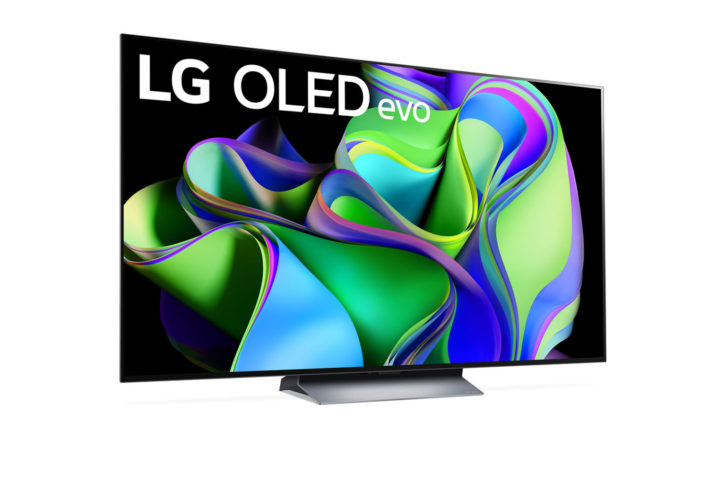
Within this environment, OLED continues to hold the pricing high ground, reinforcing a clear hierarchy in display technology.
It remains the benchmark for the premium segment, consistently commanding the highest average selling prices. However, outside this core, pricing has become more volatile. Smaller, niche categories such as 8K are increasingly influenced by launch cycles and limited availability, rather than sustained demand.
This signals a more fragmented premium landscape, where leadership is held, but not uncontested.
 Large screens move into the mainstream
One of the most significant shifts is happening in screen size.
Ultra-large TVs are undergoing rapid price compression. Models above 90 inches, once priced well above $16,000 in early 2023, are now approaching the $7,000 mark. This is accelerating their transition from niche luxury purchases into a more accessible premium category.
As pricing continues to fall, large-screen adoption is set to broaden, reshaping how consumers define premium in the living room.
Seasonality still drives the market
Despite structural changes, seasonality remains a core pricing driver.
Prices typically rise through the first half of the year before declining into Q4, when discounting intensifies around major retail events. Price reductions of 5–10% versus annual peaks are now a consistent feature of this cycle.
This pattern highlights how critical timing has become, both for brands managing launches and for retailers optimising sell-through.

Brand positioning holds, but pressure is building
At a brand level, positioning remains relatively stable.
In the UK, Sony continues to lead on pricing, followed by LG and Samsung, while TCL and Hisense anchor the value tiers. But even within this structure, the increase in promotional activity is clear.
The market is becoming more competitive, more tactical, and more margin-sensitive.
A more dynamic pricing era
The key takeaway is simple. TV pricing is no longer static.
It is being shaped in real time by promotion strategy, lifecycle management, and retail execution, requiring far greater visibility and responsiveness from both brands and retailers.
As the market evolves, those able to track and react to pricing movements quickly will be best positioned to protect margin and capture demand.
To access the full insights, download the free report to discover how pricing strategies are evolving across the TV market.
See also: LG Introduces Art TV Lineup