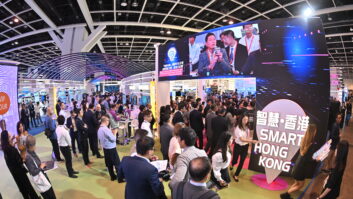
 From intelligent robots and smart wellness devices to immersive home entertainment and AI-powered wearables, the 46th Hong Kong Electronics Fair (Autumn Edition) offered a glimpse into the technologies and product categories that could help shape the future of consumer electronics.
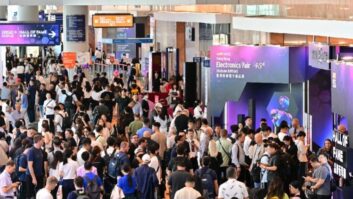
The four-day exhibition, held October 13–16, 2026, alongside the 29th electronicAsia, attracted more than 61,000 buyers from 141 countries and regions, according to the Hong Kong Trade Development Council (HKTDC).
Together, the two fairs featured more than 3,200 exhibitors from 15 countries and regions, reinforcing Hong Kong’s position as a major international sourcing destination for electronics manufacturers, distributors and retailers.
Buyers from outside Hong Kong came primarily from the Chinese Mainland, India, Japan and the United States, while attendance from Kazakhstan, Brazil and other emerging markets recorded encouraging growth.
This year’s Autumn Electronics Fair centered on three major themes — AI & Robotics, Smart Wellness and NEXTEntertainment — reflecting an industry increasingly focused on integrating intelligent technologies into everyday products and experiences.
For consumer electronics retailers and distributors, the exhibitions highlighted opportunities in categories extending beyond traditional televisions, audio equipment and connected devices to include personal wellness products, intelligent wearables, interactive entertainment and increasingly sophisticated consumer-oriented robotics.
“This year’s Electronics Fair (Autumn Edition) and electronicAsia achieved a fruitful outcome, bringing together exhibitors, buyers, investors and industry players from around the world,” said Silas Chu, HKTDC Associate Executive Director.
“The fairs generated strong sourcing momentum and facilitated numerous business deals and partnerships,” he added.
Smart Wellness Emerges as a Growing Consumer Electronics Category
Smart wellness was among the show’s major areas of emphasis, with more than 130 exhibitors showcasing products designed to combine technology with personal health, wellness and everyday living.
The sector featured digital health devices, smart wearables, personal care technologies, gerontechnology and consumer electronics designed to support healthier lifestyles.
The range of exhibits reflected the expanding intersection of consumer electronics, personal care and technology-enabled wellness, as manufacturers develop products intended to help consumers manage their health and improve quality of life.
For retailers, the category presents potential opportunities to expand assortments beyond traditional electronics and accessories into connected wellness and personal technology.
Products designed for personal monitoring, convenience, and independent living also illustrate how electronics manufacturers are targeting a broader range of consumer needs.
The emphasis on gerontechnology — products and solutions designed to support older adults — was particularly relevant as technology developers explore ways to improve accessibility, independence and daily living through connected devices.
While the show included a broad range of health-related technologies, its larger significance for the consumer electronics channel lies in the growing convergence of wearable electronics, personal care and intelligent devices.
As these categories continue to develop, retailers and distributors may find opportunities to introduce specialized products that complement existing connected-device and personal electronics assortments.
Wearables and Smart Audio Open New Possibilities
Wearable technology was another area of interest, with emerging products demonstrating how electronics manufacturers are incorporating intelligent features into devices designed for everyday use.
One example came through the exhibition’s Investment Matchmaking program, where South Korea’s Posco Investment identified a startup developing smart audio glasses for runners.
Olivia Park, Venture Capital Manager at Posco Investment, said the company met with three to five promising technology businesses during the fair and was conducting further due diligence and follow-up discussions with the smart audio eyewear developer.
Posco Investment typically invests approximately $750,000 per project.
The interest in smart audio glasses illustrates the potential for wearable electronics that combine audio functionality with specialized consumer applications.
For the consumer electronics channel, products such as smart eyewear represent an extension of familiar audio and wearable categories into new form factors.
Rather than relying exclusively on conventional headphones, earbuds or smartwatches, manufacturers are exploring devices designed around specific activities and lifestyles.
The fair also featured a range of smart wellness wearables and personal care technologies, reinforcing the growing overlap between wearable electronics and health-oriented products.
Although many of these technologies remain in various stages of development and commercialization, their presence at the exhibition highlighted potential directions for future product innovation.
Home Entertainment Moves Toward Immersive Experiences
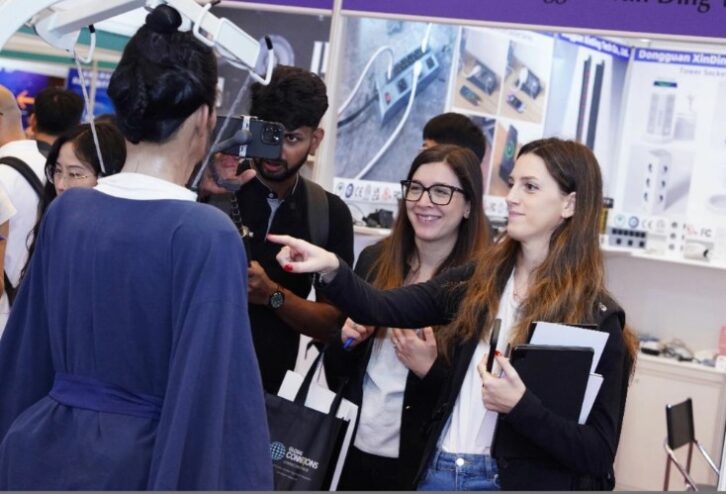 Home entertainment and interactive technology were also prominent through the show’s NEXTEntertainment theme, which emphasized emerging approaches to gaming, digital entertainment and immersive experiences.
The RISEAvenue zone brought together emerging brands showcasing robotics technologies, gaming equipment and home entertainment products.
Meanwhile, the Hall of Fame featured more than 560 established brands, including first-time exhibitor Aoni, providing international buyers with opportunities to explore a broad range of electronics products and suppliers.
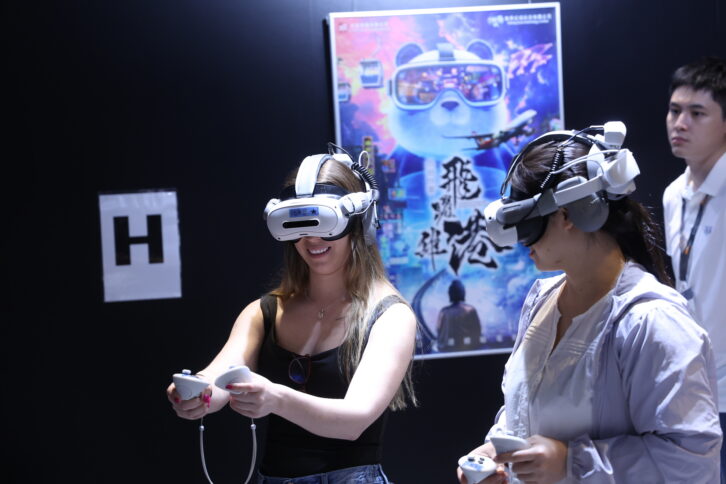
One of the exhibition’s more distinctive attractions was the Adventure Hub, which featured immersive and interactive experiences designed to demonstrate emerging entertainment technologies.
Its Infinity Zone presented Hong Kong Story: Flying over Victoria Harbour, described by the organizers as Hong Kong’s first extended reality 6D immersive experience.
Combining cinematic storytelling, local culture and XR technology, the attraction demonstrated how digital content and immersive systems can create interactive experiences that extend beyond conventional video presentation.
While the attraction was an experiential installation rather than a home entertainment product launch, it illustrated the possibilities of technologies that could influence future entertainment hardware, gaming systems and immersive consumer experiences.
For retailers and manufacturers, the growing interest in XR and interactive entertainment suggests opportunities to explore product categories that build on existing gaming, audio and video ecosystems.
The combination of interactive content, intelligent hardware and immersive technology was a recurring theme throughout the exhibition, reflecting how entertainment experiences are evolving alongside advances in computing and display technologies.
Consumer Robotics Moves Closer to Commercial Reality
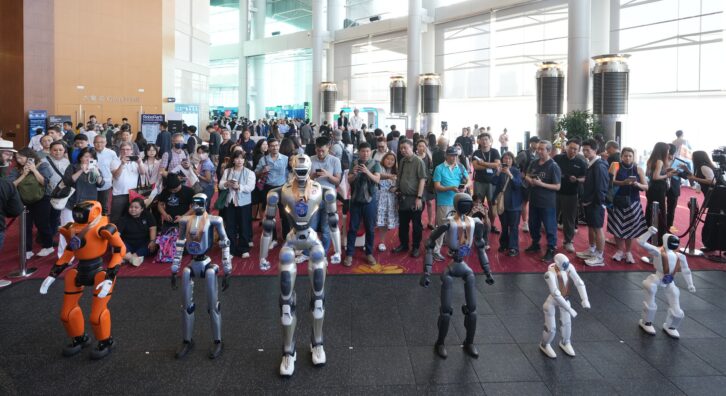
Robotics attracted some of the largest crowds at the Autumn Electronics Fair, with RoboPark showcasing more than 120 robots and demonstrating applications across commercial services, industrial operations, entertainment, social interaction, healthcare and rehabilitation.
Leading Chinese robotics manufacturers, including UBTECH, AgiBot and DEEP Robotics, participated in the exhibition, highlighting advances in robotic mobility, artificial intelligence and practical deployment.
Although many of the robots on display were designed for commercial or industrial use, the technologies demonstrated potential applications in consumer-oriented categories such as education, entertainment, personal assistance and wellness.
RoboPark also featured robot football matches, dance performances and other live demonstrations designed to showcase advances in robotic movement, control and human interaction.
Booster Robotics, winner of the 2026 RoboCup World Championship, displayed its championship-winning humanoid robot and reported considerable international interest.
Yang Liuyang, APAC Sales Director of Booster Robotics, said the company received approximately 100 buyer visits daily from international markets, including Europe, Australia, Brazil, Chile and Peru.
“We are actively leveraging Hong Kong as a platform to expand our international business,” Yang said.
The company expects to appoint one or two distributors in Hong Kong during the current quarter as it works to commercialize its technology and expand into overseas markets.
Another exhibitor, Shenzhen-based VIGX Technology, showcased what it described as the world’s first pocket-sized AI-powered exoskeleton robot.
The device was designed to address the bulk and mobility limitations of traditional industrial exoskeletons and attracted nearly 1,000 visitors during the exhibition’s first two days.
For distributors and specialized electronics resellers, robotics represents a potentially expanding category, particularly in education, interactive entertainment and service applications.
However, the show also demonstrated that much of the robotics market remains focused on business and institutional customers rather than mainstream household adoption.
AI Becomes Central to Product Innovation
Artificial intelligence was a common thread across many of the technologies on display, influencing everything from robotics and intelligent systems to product development and customer engagement.
An independent survey commissioned by the organizers and conducted among more than 1,150 buyers and exhibitors found that 74% of respondents were already using or planning to implement generative AI technologies.
Applications included product design and development, data analysis, sales, customer engagement, marketing and content creation.
Nearly 60% of respondents identified AI as the technology expected to have the greatest impact on the electronics industry over the next two years.
The findings suggest that AI is becoming important not only as a feature within consumer products but also as a tool manufacturers and distributors can use to develop products, analyze markets and improve business operations.
The newly introduced Future Industries Zone brought together more than 100 companies showcasing technologies across five areas: Future Computing, Future Manufacturing, Future Marine & Quantum Technologies, Future Microelectronics and Future Wellness.
Hong Kong-based Xeroptix Technology demonstrated integrated technologies designed to function as an “AI brain” for robots, combining algorithms, software, hardware and chip design.
Dr. Steve Kong, the company’s Chief Technology Officer, said Xeroptix engaged with more than 50 potential customers from Australia, the Middle East, Africa and Europe during the exhibition.
The company expects the contacts to generate potential orders exceeding $1 million.
Global Buyers Seek Emerging Products and Suppliers
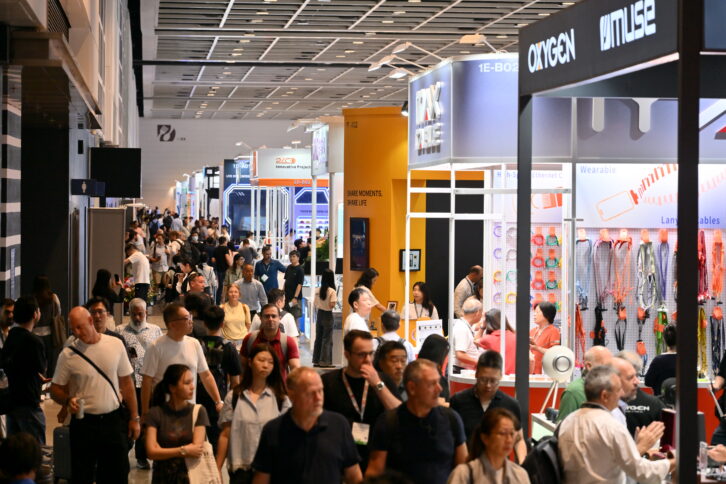 Beyond the technology demonstrations, the exhibitions served as an international marketplace for manufacturers, distributors and retailers seeking new sourcing relationships.
HKTDC organized 130 buying missions involving buyers from 65 countries and regions. Participating companies included Samsung Electronics and SSG.com from South Korea, Mercado Libre from Argentina, Reichelt Elektronik from Germany, and electronics distributors and technology businesses from Brazil, Turkey, Kenya and other markets.
Fabio Marqui, Foreign Trade Manager of Brazilian electronics wholesaler and distributor Hayamax, which also distributes Toshiba products in Brazil, reported finalizing a $200,000 order with an existing business partner during the fair.
Marqui also met with new suppliers from Hong Kong, the Chinese Mainland and Taiwan and expects to establish approximately four additional business collaborations.
The exhibitions also attracted buyers seeking specialized robotics and automation technologies.
Dubai-based Action to Action, a company specializing in robotics procurement and integration, purchased a dancing robot and a larger humanoid robot for testing and evaluation in educational and interactive applications.
Meanwhile, Kenya-based Pixel Electric identified manufacturers of smart metering and automation solutions and plans to procure approximately $100,000 in products.
These transactions and sourcing discussions demonstrated the range of commercial opportunities emerging across both established electronics categories and newer intelligent technologies.
Industry Outlook Remains Positive
Despite continued uncertainty in international markets, the HKTDC survey found considerable optimism among electronics industry participants.
According to the findings, 96% of respondents expected overall sales to increase or remain stable over the next 12 to 24 months.
The most promising growth markets identified were ASEAN and the Middle East, each cited by 83% of respondents, followed by the Chinese Mainland at 81%.
The results point to an industry actively seeking new geographic markets and product opportunities as manufacturers and distributors adjust their international business strategies.
The exhibitions also featured more than 120 startups, many participating in a dedicated Startup Zone, along with investment matchmaking activities designed to connect emerging technology companies with potential financial and commercial partners.
HKTDC continued its EXHIBITION+ hybrid format, combining physical exhibitions with online sourcing and business matching through its Click2Match platform. The online editions of both fairs remain available through October 23.
What It Means for the Consumer Electronics Channel
For U.S. consumer electronics retailers, distributors and manufacturers, the 2026 Hong Kong Electronics Fair offered insight into several product categories that could influence future assortments and sourcing strategies.
Smart wellness and personal care technologies are increasingly intersecting with connected electronics, while wearable devices are evolving into new form factors and applications.
Home entertainment is expanding toward immersive and interactive experiences, and advances in robotics are creating opportunities for specialized distributors and resellers serving education, commercial and potentially consumer markets.
At the same time, AI is becoming an increasingly important element of both product innovation and the operations supporting the global electronics supply chain.
With more than 61,000 buyers attending the concurrent exhibitions, the 2026 events reinforced Hong Kong’s role as an international sourcing marketplace while highlighting the technologies that could help define the next generation of consumer electronics products.
See also: When Appliance Prices Rise, One Deal Doesn’t Fit Every Shopper