 The phrase “smart home” has been used for more than a decade, but in 2026, it remains widely misunderstood. Many homeowners still picture a basic voice assistant that plays music or tells the weather. Others imagine a fully automated luxury home that adjusts lighting, climate, and security without a single command.
The truth today lies in the middle, and it’s much more practical. A modern smart home isn’t defined by how many gadgets it contains. It’s defined by how well those devices work together and how seamlessly they blend into everyday life. The best technology becomes invisible once configured properly. What has changed in recent years is that smart homes are becoming less about novelty and more about infrastructure. Just as homeowners expect reliable plumbing or Wi-Fi throughout the house, they increasingly expect their homes to anticipate comfort, manage energy use, and respond intelligently to daily patterns. The smartest homes today don’t feel futuristic; they simply feel effortless.
The Shift From “Control” to “Automation”

One of the biggest misconceptions in 2026 is that smart homes are about controlling devices. Early marketing emphasized apps, dashboards, and voice commands, but a truly smart home does not need constant attention. A smart home knows what to do on its own. Today, the foundation of home intelligence is automation, not control. Homeowners should expect systems that respond automatically to time of day, sunlight levels, occupancy, temperature, and daily routines and patterns.
If a homeowner is still opening multiple apps throughout the day to “use” their smart home, something essential is missing. Modern systems also learn from patterns. For example, a home may begin lowering shades and adjusting lighting at the same time each evening based on past behavior. Over time, the home adapts to how people actually live, creating an experience that feels natural rather than programmed.
Most smart homes in 2026 rely on one of three major ecosystems: Amazon Alexa, Google Home, and Apple Home (HomeKit). These platforms act as the central nervous system, allowing devices to communicate, coordinate actions, and participate in shared automations. A true smart home isn’t defined by brand loyalty; it’s defined by whether devices speak the same language.
Compatibility has improved significantly in recent years as well. Industry initiatives such as the Matter standard are helping more devices communicate across platforms, reducing the frustration that once came with mixing brands. For homeowners, this means a wider choice of devices without sacrificing integration.
High-end control platforms such as Control4 and Crestron remain essential in luxury homes, larger residences, and mixed-use spaces. They don’t replace Alexa or Google; they enhance them. In fact, professional systems deliver greater reliability, complex automation logic, large-scale orchestration across lighting, climate, AV, and shading, and long-term stability. Voice assistants and mobile apps still matter, but they function as interfaces, not the brain. Intelligence lives within the automation system.
These professionally installed systems also bring a level of consistency that DIY setups sometimes struggle to achieve. Instead of relying on multiple consumer apps and cloud connections, professional platforms often centralize control and maintain stable local automation even if internet connectivity is interrupted.
The Six Core Pillars of a Modern Smart Home
Strip away the marketing jargon, and today’s smart homes share six functional pillars:
- Lighting – Lighting now adjusts dynamically to circadian rhythms and natural daylight, not simple timers.
- Climate Control – Temperature management has evolved to include room-by-room zoning and energy optimization.
- Security & Access – Cameras, sensors, locks, and alerts work together to create a unified protection system.
- Shading & Daylight Control – Smart shades manage glare, privacy, heat gain, and light levels throughout the day.
- Energy Awareness – Homes optimize energy use by coordinating HVAC, lighting, and shading, especially during peak hours.
- User Experience – The smartest homes require the least effort. Setup should be simple, performance reliable, and daily interaction minimal.
None of these pillars operates alone. The value comes from how well they integrate.
Why Automated Shades Matter More in 2026
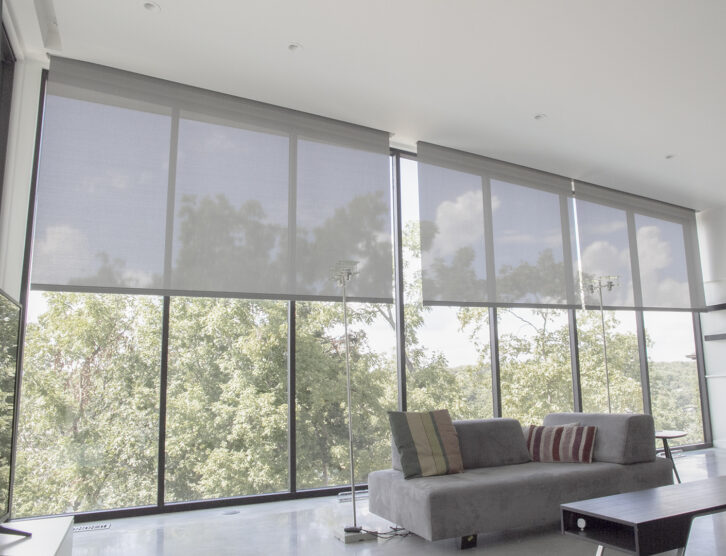 Automated motorized shades play a unique role in a smart home because they touch multiple systems at once: lighting, climate, comfort, and energy efficiency. Unlike many smart gadgets that serve convenience, shades solve real, everyday problems:
- Reduce heat during sunny periods
- Prevent glare on screens and TVs
- Increase privacy without blocking natural light
- Improve energy efficiency by reducing HVAC load
- Protect furniture from UV exposure
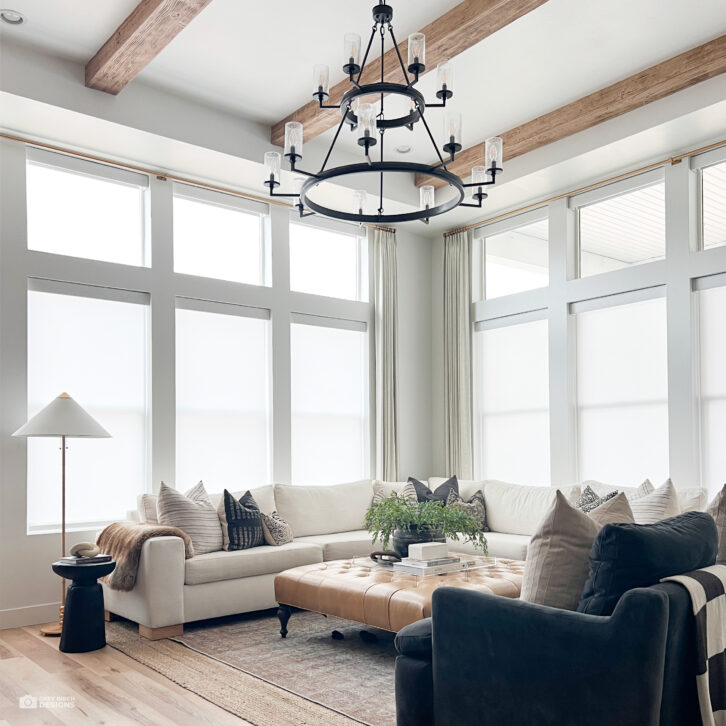
When integrated correctly, shades operate silently in the background: lowering at sunrise or sunset, responding to changing temperatures, or adjusting based on occupancy. In many homes, shading is also the most visible example of automation working properly. Homeowners immediately notice when glare disappears during a movie, when afternoon sun no longer overheats a room, or when privacy is maintained automatically at night. These small adjustments contribute significantly to daily comfort.
Rather than working independently, smart shades should coordinate with lighting and climate systems. For example, shades lower automatically to reduce heat gain before the HVAC system ramps up; interior lights brighten subtly as natural daylight decreases; and privacy modes activate automatically at dusk. This level of coordination is what separates a collection of smart devices from a truly smart home.
The Real Definition of a Smart Home in 2026
A smart home should reduce the number of decisions a homeowner has to make, not add more. You shouldn’t think about whether to lower the shades, adjust the thermostat, or turn off the lights. Those decisions should already be embedded in the system.
In a properly designed home, technology fades into the background. That’s when a smart home becomes truly smart.
About the Author
Jason Turner is the founder and CEO of PowerShades, one of the leading designers and manufacturers of manual and motorized shades and a wholly owned subsidiary of Springs Window Fashions. Follow him on LinkedIn at https://www.linkedin.com/in/jasonbturner/.
See also: The Velocity Of Innovation: Four Lessons From 37 Years On The Front Lines Of Consumer Electronics