 The rapid adoption of artificial intelligence is changing what consumers expect from their technology. Laptops, tablets, smartphones and other connected devices are no longer used only for routine communication or productivity. Increasingly, they must support AI-powered applications, more demanding software and new ways of working, learning and creating.
However, for many consumers, replacing an existing device is a significant expense, especially when their current technology still functions, even if it no longer performs at the level they need. This creates an opportunity for consumer electronics brands to make upgrading easier without relying exclusively on traditional discounts. A well-designed trade-in program can help bridge the gap between consumer interest and purchase. By giving customers credit for eligible devices, brands can lower the effective cost of new technology while creating a clear and timely reason to upgrade.
Here are five considerations for building a more effective trade-in strategy.
Connect the offer to a genuine consumer need

The strongest trade-in campaigns begin with a clear understanding of why consumers may need to replace their devices. AI provides a particularly relevant reason. Many older laptops and smartphones lack the processing power, memory, battery performance or software compatibility needed to make full use of emerging AI tools.
Brands should communicate how a new device can improve the customer’s daily experience. The message should focus on practical benefits such as faster performance, stronger security, improved compatibility and access to new features, rather than simply promoting the latest model.
Make the value easy to understand
Don’t be confusing to the customer. Trade-in programs can become confusing when eligibility rules, device values and redemption steps are not clearly explained. Consumers should be able to determine quickly which devices qualify, what value they may receive and how that value will be applied. A simple online valuation process, straightforward instructions and transparent timelines can reduce abandonment.
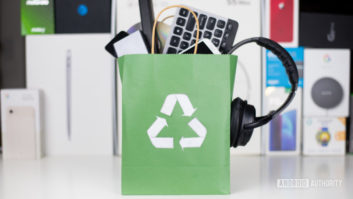
Brands should also explain what happens to traded devices, including whether they may be refurbished, recycled or responsibly repurposed. That information can add another meaningful reason to participate.
Use the holiday season as an upgrade moment
Don’t miss one of the biggest buying seasons for electronics. The holiday season represents one of the year’s biggest opportunities for consumer electronics brands. Consumers are already researching products, comparing prices and looking for the best time to purchase or upgrade laptops, smartphones, gaming systems, wearables and home technology. Trade-in promotions can make holiday offers more compelling without forcing brands to offer the deepest discount. A trade-in credit can be paired with bundles, accessories, software subscriptions, extended protection plans or loyalty rewards to create greater overall value.
Brands should begin planning early enough to educate consumers before the busiest shopping period. Messaging can encourage customers to locate unused devices, check eligibility and understand their potential trade-in value before making a purchase.
View trade-in as a relationship strategy

A trade-in should not be treated as a one-time transaction. It can become part of a longer customer lifecycle strategy that gives brands new opportunities to engage customers when future upgrade needs arise. With customer permissions, brands can use purchase timing, device type, and prior participation to create more relevant communications.
A customer who traded in a laptop, for example, may later be interested in compatible monitors, docking stations, productivity accessories, or protection plans. This value-driven approach can support repeat purchases and customer retention while providing a more personalized experience than a broad promotional discount.
Protect the program before launch
As participation in trade-in promotions grows, so does the potential for duplicate submissions, manipulated documentation, ineligible devices and organized promotional abuse. Fraud controls should be built into the program from the beginning rather than added after suspicious activity appears. Brands should evaluate whether their trade-in partner has strong device-validation processes, claim-monitoring capabilities, and experience identifying unusual participation patterns before rewards are issued.
Financial exposure is another important consideration. A campaign that significantly exceeds expected participation may generate strong sales, but it can also place unexpected pressure on the promotional budget. Forecasting, scenario planning, and over-redemption protection can give brands greater confidence to promote an offer broadly while managing financial uncertainty.
Solving a Real Problem
Trade-in programs are most effective when they solve a real problem for the consumer. As AI accelerates the need for more capable technology, brands have an opportunity to make upgrading more affordable, understandable and worthwhile. The objective should not be simply to move older devices out and new devices in. It should be to create an easy and enticing upgrade pathway that delivers measurable value to consumers, retailers, manufacturers, and consumer electronics brands.
About the Author
Sarah Fournier is Vice President of Opia, a world-class promotions agency that specializes in providing smart promotional campaigns to world-leading brands to drive sales, increase brand loyalty, and grow their market share.
See also: SureBright Anywhere Launches Post-Purchase Warranty Platform