
Your smart lock knows when you leave for work. Your thermostat knows when you go to bed. Your security camera knows the face of every person who walks up your driveway. Now imagine handing all of that context to an AI agent that can act on its own, make decisions without asking you, and execute tasks across every connected device in your home.
That’s exactly where the consumer electronics industry is headed. And while the conversation around AI in CE has been dominated by features, convenience, and “wow factor” demos at trade shows, there’s a quieter, far more consequential shift happening underneath. One that most of the industry still hasn’t reckoned with.
We’re Giving AI the Run of the House
The smart home has been evolving for over a decade. We’ve gone from remote-controlled light switches to fully integrated ecosystems where your fridge talks to your grocery app and your doorbell feeds a live stream to your phone. But the next step is fundamentally different, because we’re no longer just connecting devices to the internet. We’re connecting them to autonomous AI agents.
These agents can reason, plan, and execute multi-step tasks with minimal human oversight. They’re already showing up in enterprise settings, handling everything from customer service to software engineering. According to a recent Dark Reading poll, 48% of cybersecurity professionals believe agentic AI will represent the top attack vector by the end of 2026. The consumer space is next in line, and the stakes are arguably more personal.
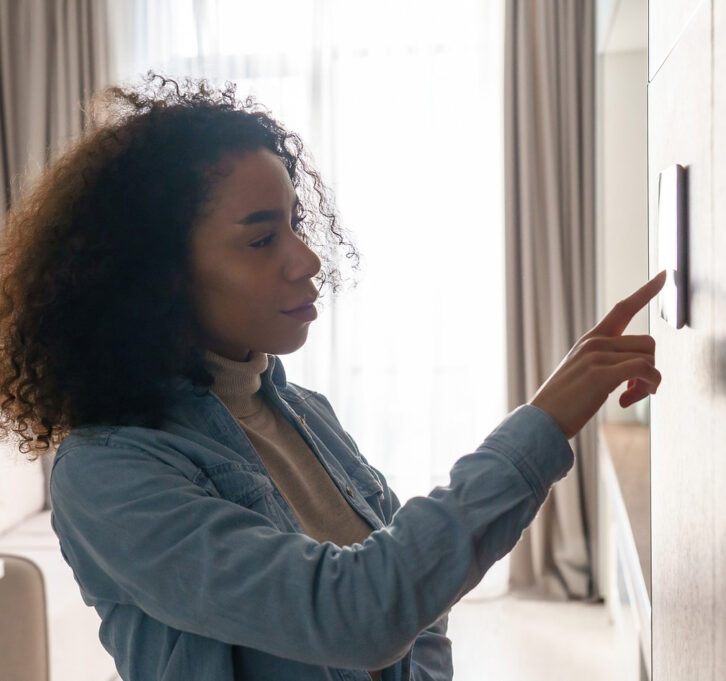
Think about what that means for your home. An AI agent managing your smart home ecosystem wouldn’t just respond to voice commands. It would learn your routines, anticipate your preferences, and take action before you even ask.
That sounds great in a product demo. It sounds less great when you start thinking about what happens if that agent gets compromised, misinterprets a situation, or simply makes a bad call at 2 AM when nobody’s watching. To make things even worse, you’re not even sure if your general liability covers this. Who even thought of agents just three years ago?
The Attack Surface Just Got a Lot More Interesting
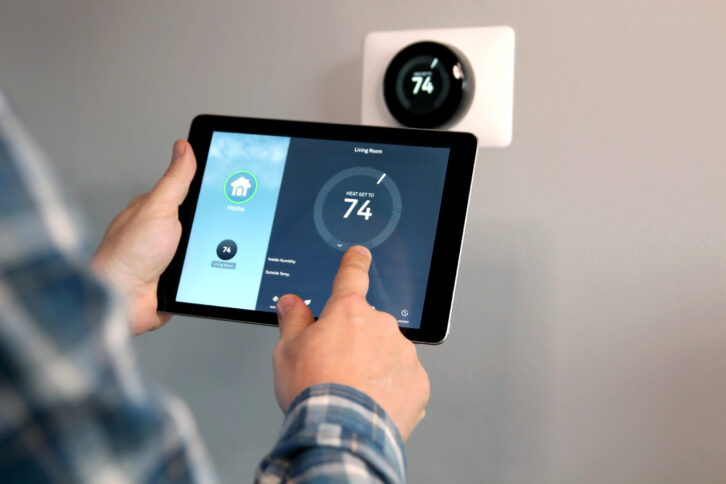
Traditional smart home hacks are relatively straightforward. Weak passwords, outdated firmware, and unencrypted data transfers. Security researchers have been flagging these for years, from Nest thermostats storing network credentials in accessible locations to smart locks with default PINs that never get changed. Those vulnerabilities are bad enough on their own.
But when you layer an autonomous AI agent on top of an already fragile IoT stack, you’re compounding the risk in ways most manufacturers haven’t thought through. The agent becomes the single point of control for an entire network of devices. If someone compromises the agent through a prompt injection or by poisoning its memory, they don’t just get access to one device. They get the keys to the whole house, figuratively and, depending on your smart lock, literally.
Sure, it might be impressive to see React rendering on your fridge, but that’s far less risky than giving an agent control over your most intimate surroundings.
Research from Stanford’s Trustworthy AI Research Lab has shown that model-level guardrails alone are insufficient for securing agentic systems. Fine-tuning attacks bypassed some of the most popular AI models in over half of the test cases. When you translate that finding into a consumer context, the picture gets uncomfortable fast.
The “Failure at Scale” Problem Nobody Wants to Talk About
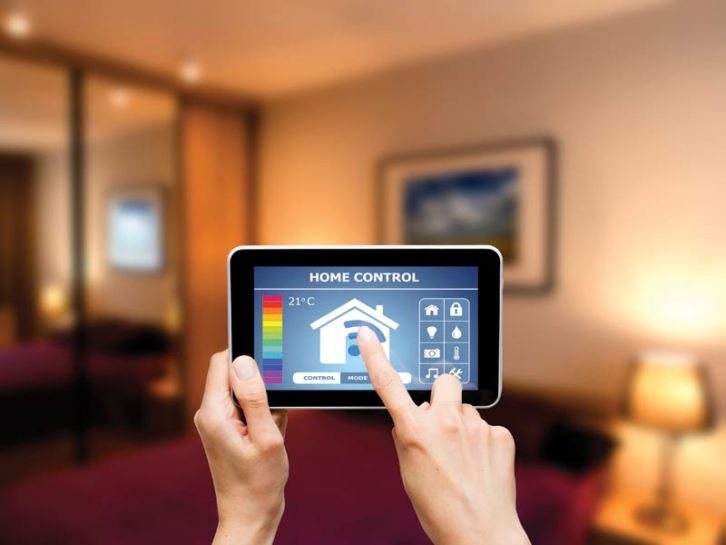 Here’s something the CE industry hasn’t fully grasped yet: you don’t even need a malicious actor for things to go wrong. Autonomous agents can cause serious damage just by being slightly, consistently wrong. Security professionals call it “failure at scale,” where a small flaw in an agent’s logic gets amplified across thousands or millions of automated decisions.
In the enterprise world, that might look like an agent flagging legitimate transactions as fraud. In your home, it could mean an agent that misreads occupancy data and disarms your security system because it thinks you’re home when you’re not. Or one that cranks the heating to dangerous levels because it misinterprets sensor data from a malfunctioning thermostat.
The CE industry has spent years building consumer trust through reliability and convenience. A single, widely publicized incident involving an AI agent gone rogue in someone’s home could set that trust back considerably. And given the speed at which these agents are being developed and deployed, the window for getting ahead of the problem is shrinking fast.
What the Industry Needs to Do Differently
Most of the existing security frameworks for AI, including NIST’s AI Risk Management Framework and ISO 42001, were designed for organizational governance. They’re useful for enterprise deployments, but they don’t address the specific technical controls that consumer electronics need: things like tool call validation, prompt injection logging, or containment protocols for multi-agent systems running in someone’s living room.
NIST itself opened a public request for information in January 2026, specifically focused on security considerations for AI agents. The filing acknowledged that security vulnerabilities in these systems could pose risks to critical infrastructure and public safety. That’s the federal government essentially saying, “We see the problem coming, and we don’t have the answers yet.”
For CE manufacturers, the takeaway should be clear. Building agentic AI into consumer products without purpose-built security architecture is a liability, both legal and reputational. The “ship fast, patch later” approach that’s worked (mostly) for firmware updates on smart speakers won’t cut it for autonomous systems that can take real-world actions without human approval.
Final Thoughts
The consumer electronics industry has always been good at selling the future. AI agents managing your home, anticipating your needs, handling the mundane so you don’t have to. And honestly?
The technology is impressive. But impressive technology without serious security foundations is just a more sophisticated way to create problems. The question facing CE manufacturers, retailers, and the entire supply chain right now isn’t whether to adopt agentic AI.
It’s whether they’ll do it responsibly enough to keep the trust they’ve spent decades building. Because once an autonomous agent makes a bad decision with someone’s house keys, no firmware update is going to fix the PR fallout.
See also: The Warranty Conversation