Appliances
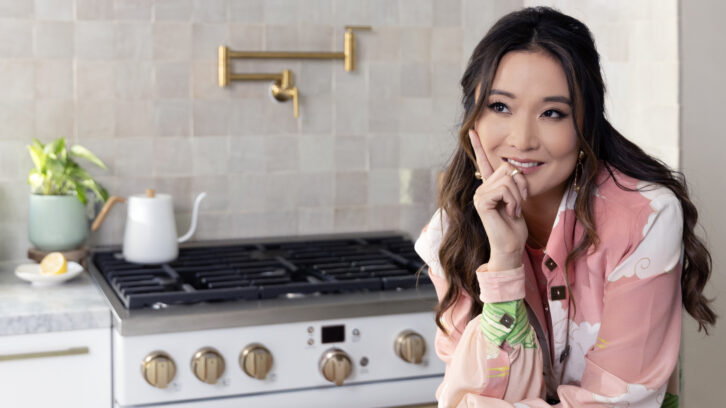
CAFÉ Brand Launches New Campaign With Actress Ashley Park
Park’s style and personality pair perfectly with GE’s customizable kitchen appliances
Update your browser to view this website correctly. Update my browser now
Park’s style and personality pair perfectly with GE’s customizable kitchen appliances

Also includes the CEDIA Smart Home Technology Conference and Commercial Integrator Expo

Service offers comprehensive suite of digital tools to help independent retailers quickly and easily...

The second in a series of essays exploring and celebrating CTA’s and our industry’s...

Honored as a Digital Patriot by CTA, Roomba inventor Colin Angle used his acceptance...
Select Audi models to benefit from native app integration

Collaboration to Expand Interoperability and Smart Automation Capabilities

Alex Borrero and Jim Williamson join the leadership team

Rockies, Pacific NW, Michigan, Illinois/Wisconsin, and Upper Midwest territories added

Leading media executives to be celebrated on June 18 at The Ebell of Los...

The company has announced that it achieved its goal for 2023, and is on...

Responsible for North American product portfolio across residential, commercial, and industrial applications
MOMENTUM Sport earbuds are integration-ready for most popular fitness apps and devices

Direct from the show floor, learn how 1MORE is keeping its customers entertained, safe, and on the cutting edge of audio

There is no doubt that sustainability should be a top priority for retailers
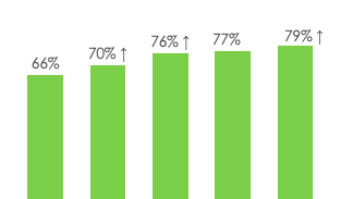
Streaming video growth continues to drive tech adoption

Annual honorees to be celebrated at 2024 ProSource PRO / Power Spring Conference

Tasked with reviewing and assessing the group’s programs and offerings, event strategy, processes, and...

Findings covered in NRF's fourth annual State of Retail & the Consumer virtual discussion
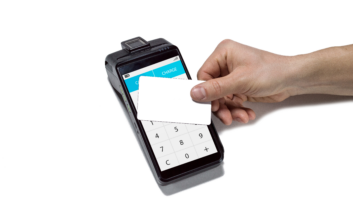
Rain Technology’s E-privacy technology has already been implemented in screens of smartphones, laptop computers,...
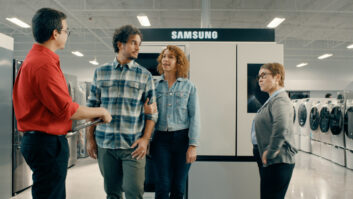
Specialty Home Goods Retailer Makes Financing a Positive Option for Consumers
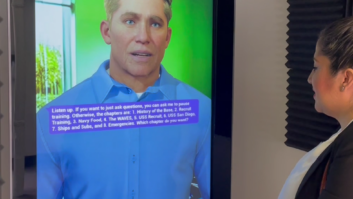
Each year we take a step closer towards virtual assistants being omnipresent in our...
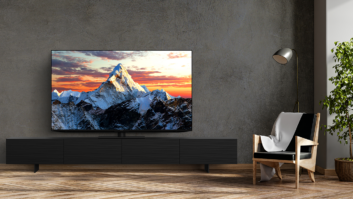
Company also to be the first to offer Roku TV OS in OLED technology

Designed for interactive 3D realism and depth

Top of the line Bravia 9 Priced Higher Than Top OLED Models; the company...

The wearables industry needs to double down on innovation and find new creative use...

New Crystal UHD 4K model joins the growing Samsung 98-inch-class TV portfolio alongside Neo...
Partnership allows for Vantage lighting control via Josh.ai app, remote, and voice commands

Streaming company wants to step up consumers to ‘fun’ and ‘simpler’ smart TVs with...
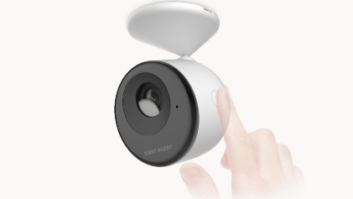
Expands VX Series at ISC West 2024


Experienced AV engineer and leader brings over 20 years of experience

Ben Mahoney has been appointed as Global Training Manager at RTI, the company has announced. Mahoney brings with him 20 years of training and...

Brings over 25 years of experience to new role

Snap One will integrate into Resideo's ADI Global Distribution business after deal closes


Don't be afraid to tap into your existing client base to do more business

What can retailers do to retain customers in this new retail landscape?

Suggestions to help make permanent remote work-from-home setups more efficient

Everyone’s situation is different, and we must embrace our differences—or risk becoming very disengaged.

After the successful recent debut of the Termination Challenge Powered by Kordz at CEDIA...

Leeds, United Kingdom, April 22nd, 2024 — In celebration of Earth Day, Rhodes Music...

Braga, Portugal April 16th, 2024 — Imaginando, the innovative Portuguese software manufacturer, announces the...
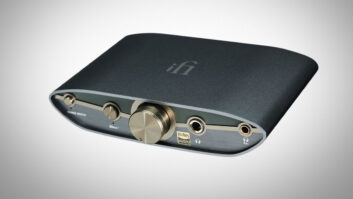
Southport, England— April 15, 2024—iFi Audio, a trailblazer in high-fidelity audio components, proudly introduces...

Southport, England— April 15, 2024—With Record Store Day 2024 fast approaching, vinyl lovers everywhere...