 The next big innovation in wearable technology may not be another smartwatch with a larger display or a fitness tracker with more sensors. Instead, it could be a device that changes shape to suit the consumer’s lifestyle while using artificial intelligence to turn health data into meaningful, personalized guidance.
That’s the idea behind ALLOOP Trio, a modular health wearable that combines the functionality of a fitness band, the convenience of a smart ring, and an AI-powered personal health agent in one connected ecosystem. Designed to make health monitoring more intuitive and accessible, Trio represents an intriguing approach to a wearables market increasingly focused on personalization, continuous monitoring and intelligent software.
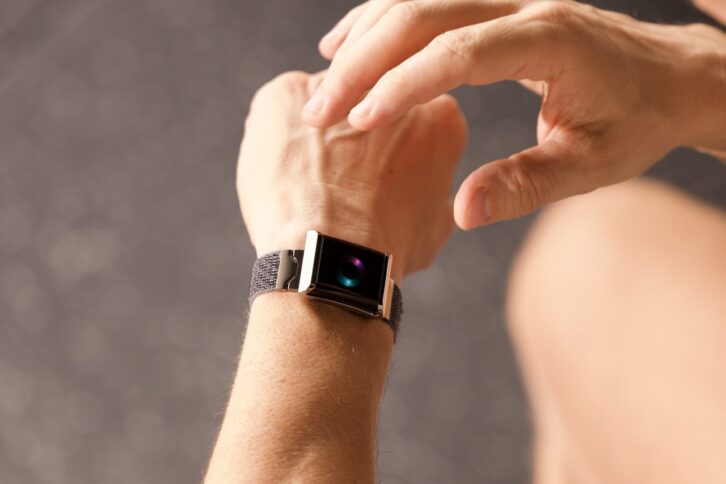
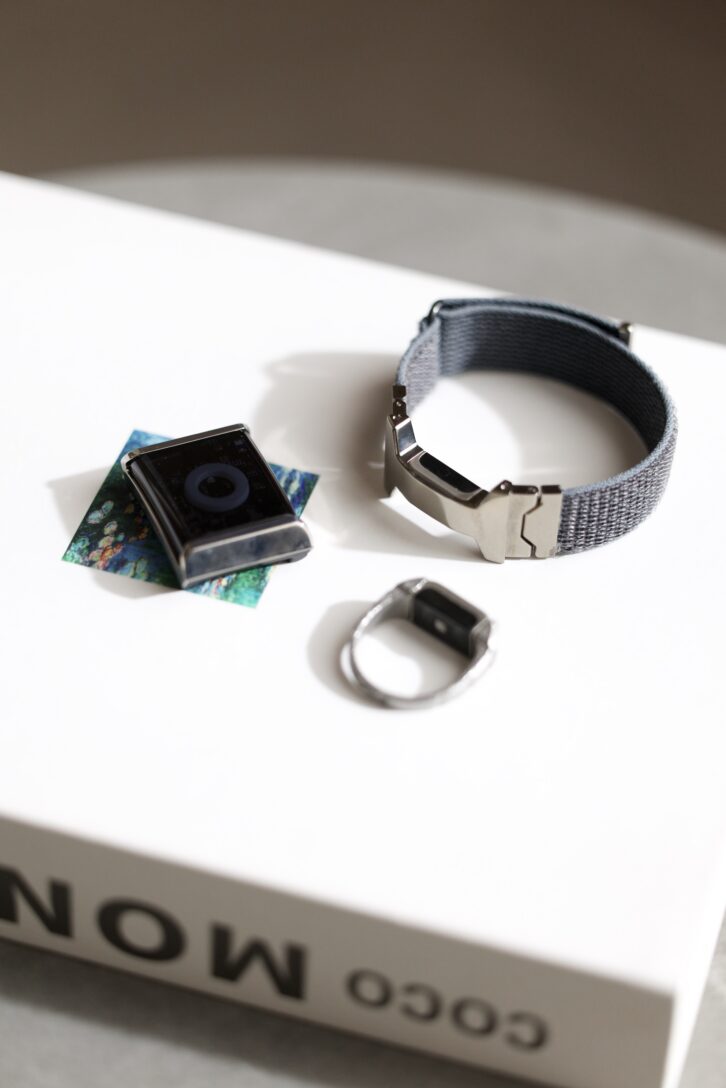
At the center of the product is a compact sensing module called the Cube, which can be transferred between a wristband and a ring. This interchangeable design gives consumers three ways to wear Trio without requiring separate tracking devices. The screenless band provides continuous health monitoring throughout the day, while adding the company’s Halo module introduces voice interaction, gentle reminders and visual feedback. For consumers who prefer a lighter option, particularly while sleeping, the Cube can be moved into a ring designed for comfortable overnight wear.
The modular concept is one of Trio’s most distinctive features and could provide a compelling selling point for consumer electronics retailers looking to differentiate their wearable assortments.
Rather than choosing between a wristband and a smart ring, shoppers can experience both configurations with the same sensing technology. It also gives retailers an opportunity to demonstrate the product’s versatility directly on the sales floor, where the ability to physically transform a device can make its benefits immediately apparent.
But ALLOOP’s ambitions extend beyond flexible hardware. The company is positioning Trio as a wearable health agent, with artificial intelligence integrated throughout the experience to help consumers better understand their health and develop more effective daily habits.
One of the most interesting features is Halo, an optional wrist-mounted module that lets users record information simply by speaking. A double tap activates voice recording, allowing consumers to log meals, supplements, workouts, personal observations, or how they are feeling without reaching for their smartphones. The information is then incorporated into the ALLOOP health platform, adding context that conventional biometric sensors cannot capture on their own.
For example, a consumer could tell Halo what they ate for breakfast, describe a workout, or mention feeling unusually tired after a late dinner. The system is designed to combine those observations with physiological measurements to provide a more complete picture of daily health and wellness.
Halo also incorporates colored lighting and haptic feedback to communicate information without requiring a traditional screen. During exercise, users can monitor training zones through visual cues, while gentle reminders and status notifications help keep them informed throughout the day. Adjustable haptic intensity, customizable training presets, and automatic brightness adjustment add another level of personalization.
This emphasis on screen-free interaction could resonate with consumers who want the benefits of continuous health monitoring without another display demanding their attention. It also provides retailers with an easy-to-understand demonstration of how AI and voice technology can simplify everyday interactions with connected devices.
Turning Health Information into Action
 While Trio’s interchangeable design creates an immediate point of differentiation, the ALLOOP app is central to the company’s broader vision. Rather than functioning solely as a repository for health statistics, the platform is designed to interpret information from multiple sources and provide personalized recommendations based on a user’s habits, goals and physiological measurements.
The company describes its approach as “agent-native,” with AI built into the hardware and software experience from the ground up. Consumers can interact with the health agent through voice, text, or photographs, asking questions about sleep, recovery, exercise, and nutrition while receiving suggestions intended to help them make informed lifestyle decisions.
For someone trying to improve sleep consistency, for instance, the system can consider reported routines and available health measurements, recommend a plan, and establish user-approved reminders or follow-up check-ins. As additional information becomes available, the agent is designed to adjust its recommendations accordingly.
The platform also includes a Bio Age feature that incorporates nutrition into a broader assessment of wellness. According to ALLOOP, the feature combines 18 personalized measurements across six health categories, drawing on lifestyle information and body signals to help consumers understand factors associated with their overall health.
Users can record meals and supplements by speaking, typing, or submitting photographs, with the information incorporated into their health dashboards. Alongside Bio Age, the app presents measurements and indicators related to sleep, recovery, activity, heart-rate variability, resting heart rate, blood oxygen, breathing rate and temperature.
ALLOOP also offers personalized health protocols designed to identify areas for improvement and encourage healthier habits over time. While the company’s biological-age calculations and recommendations have not been independently validated in the materials provided, the feature illustrates how wearable manufacturers are increasingly looking beyond traditional fitness metrics to offer more comprehensive wellness experiences.
Another important aspect of ALLOOP’s strategy is its emphasis on bringing fragmented health information into one place. The app supports connections with Apple Health and Google Health, allowing compatible devices and services to contribute information to a unified dashboard. The company’s broader platform plans also encompass supported medical records, laboratory tests, and continuous glucose monitors, extending its vision beyond data collected by Trio itself.
For consumers already using multiple connected-health products, this approach could be particularly appealing. Instead of requiring users to abandon existing devices, ALLOOP is positioning its platform as a central destination for reviewing health information and identifying patterns across different sources. The company says personal health data is encrypted and remains under user control, with tools for reviewing, exporting and deleting information.
A New Opportunity in the Wearables Market
 For retailers and distributors, ALLOOP Trio arrives with several features that could help it stand apart in an increasingly crowded wearable technology category. Its modular construction offers an alternative to conventional single-format products, while Halo’s voice-enabled functionality gives sales associates an interactive feature to demonstrate. The AI platform provides a broader wellness story that goes beyond steps, calories and sleep scores.
The hardware also reflects an effort to balance technology with everyday comfort and durability. ALLOOP describes breathable nylon bands, precision-finished stainless-steel components, and a lightweight ring configuration intended for overnight use. The Cube carries a 5 ATM water-resistance rating, while Halo is rated IP68 for water and dust resistance. The company also highlights multi-day battery life, although final performance specifications remain to be confirmed.
Another potential advantage is ALLOOP’s pricing philosophy. The company says its core app experience does not require a subscription, although optional paid AI services may be available. With recurring fees now part of the ownership experience for some connected-health products, the absence of a mandatory subscription could become an important consideration for value-conscious shoppers.
For the retail channel, however, questions remain about Trio’s final pricing, commercial availability and distribution strategy. Those details will help determine how effectively the product can compete for shelf space against established wearable brands.
Nevertheless, ALLOOP’s approach reflects a potentially significant shift in the category. As sensors become more sophisticated and consumers accumulate greater amounts of personal health information, the challenge for manufacturers is increasingly about making that information useful rather than simply collecting more of it.
By combining adaptable hardware, conversational AI, and data from multiple health sources, ALLOOP is attempting to make wearable technology more responsive to consumers’ daily lives. Its vision is one in which the device not only tracks activity and recovery but also helps users understand their habits, recognize patterns, and determine what steps to take next.
For an industry continually searching for the next compelling reason to upgrade, that could be an important distinction. ALLOOP Trio suggests that the future of wearables may be defined less by what a device measures and more by how intelligently it helps consumers use that information.
For more information, visit www.alloop.ai.
See also: Smartwatches Still Lead, But 10 Million Emerging Devices Are Changing The Shape Of Wearables