 Kanto Audio has introduced Tuk Grand and the second-generation Tuk, a pair of powered speakers that combine hand-built cabinetry, updated drivers, and DSP tuning with a range of wired and wireless connections.
The speakers are designed around the cabinet, drivers, and acoustic system, while allowing some connectivity features to be updated as source technologies change.
“We put our resources into the things that stand the test of time— thoughtful materials, serious acoustics, and uncomplicated technology,” says Kevin Reid, Kanto Creative Director. “Connectivity and devices evolve rapidly, so we leave room for change while creating products that remain relevant for decades. That idea increasingly defines how we approach product design at Kanto.”
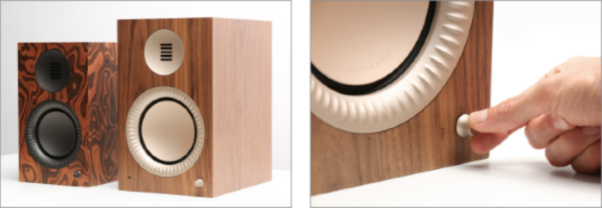
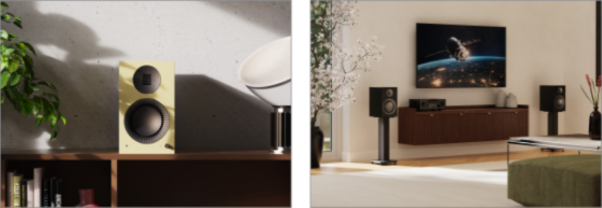
Both models use real walnut veneer and are available in several finishes, including matte black, matte white and gloss butter. Burl wood finishes are also offered, with metallic detailing on some versions.
 The speakers’ drivers are exposed as part of the design. Kanto uses its Aircomb woofer alongside an Air Motion Transformer (AMT) tweeter. The woofer is designed to balance rigidity and airflow, while the AMT handles high frequencies.
Kanto’s acoustic engineering team uses DSP to tune the drivers, amplification, and cabinet together, with the company targeting a balanced frequency response rather than emphasizing a particular part of the range.
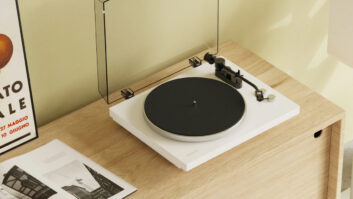
Connectivity includes wired inputs and Bluetooth for sources such as turntables, computers, televisions and streamers. Kanto has also designed the speakers with a USB input and USB power connection intended to accommodate future connectivity options, including Wi-Fi and HDMI-based technologies.
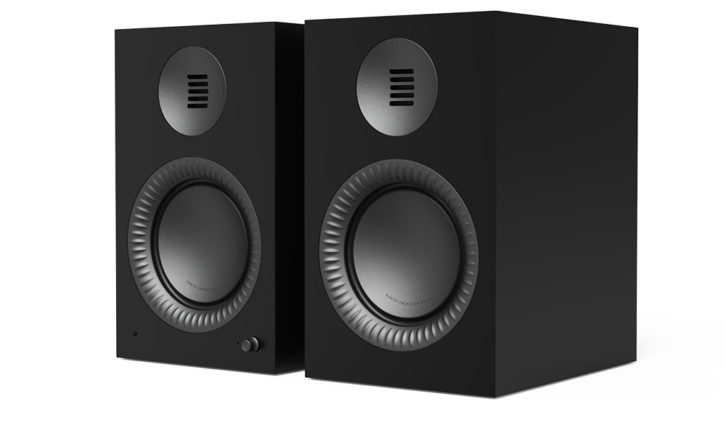
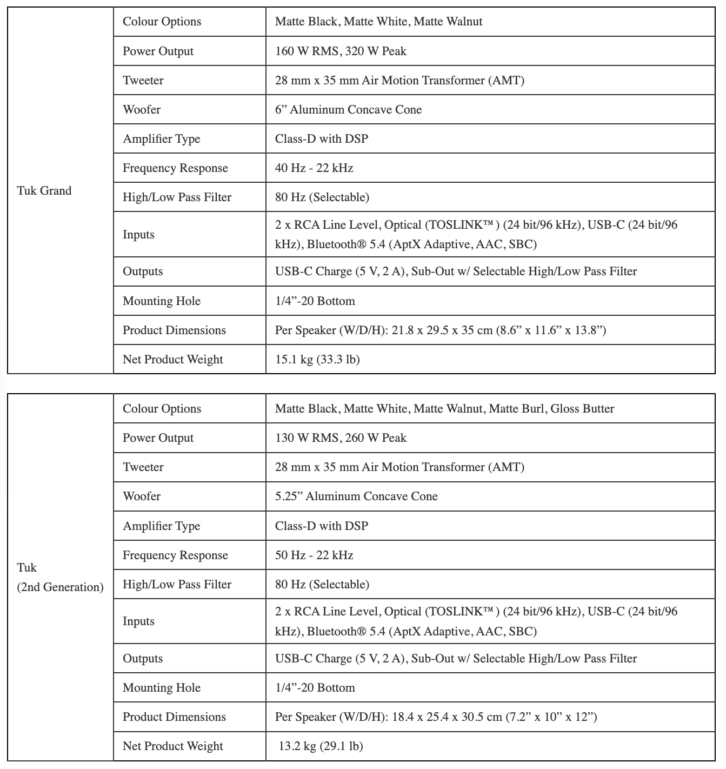
Tuk Grand is the larger of the two models, using 6-inch aluminum woofers and a larger internal cabinet to provide deeper bass extension and a wider frequency response. It is intended for larger rooms and dedicated listening spaces.
The second-generation Tuk uses 5.25-inch woofers and a smaller cabinet designed for placement on bookshelves, sideboards, desktops or speaker stands.
Both models are also available in passive versions for use with separate amplification.
All four versions are designed and engineered in Canada.
Specifications