 In the world of smart home technology, there is a line: a line between when someone can install a smart home device or whole-home control system themselves and when they should bring in a professional. And it’s becoming blurrier by the day.
It’s not just about complexity, or even technical skill. It’s about risk, integration, longevity, and – perhaps most overlooked – how someone actually plans to live with the system once it’s installed. Here are some revealing statistics to set the stage:
- 44% of smart home device owners have used a professional installer at least once
- At the same time, 81% have attempted DIY installation
- After DIY attempts, 29% of users turn to professionals after trying DIY
So, almost half of all smart device homeowners have used a pro. And even though a significant percentage of people (81%) have tried DIY, almost a third go back to a pro when the DIY route doesn’t work.
Elizabeth Parks, president and chief marketing officer, is quite bullish on professional installation. In an article in Security Systems News, she is quoted as saying, “As the market matures, professional installation and support will remain central to smart home adoption. Professional installation is a cornerstone of market growth, consumer satisfaction and long-term engagement.”
At a high level, three factors tend to dominate the decision: system complexity, user skill level, and the desire for a guarantee. But the real answer goes deeper. Here are some considerations to walk through with your customers, which will help them decide whether professional installation is the way to go – even for the ones who insist they’re DIY “experts.”
The Obvious Factor: Complexity

Some smart home products are genuinely plug-and-play. Battery-powered video doorbells, Wi-Fi smart plugs, and many smart bulbs fall squarely into the DIY category. If the setup involves mounting hardware, connecting to an app, and syncing with your home Wi-Fi, most homeowners can handle it in under an hour.
Where things change is when the system moves beyond a single device. Whole-home ecosystems (especially those built around platforms like Apple HomeKit, Google Home, or Amazon Alexa) introduce layers of complexity. Now the stakes are raised, with device compatibility, automation rules, network reliability, and sometimes multiple communication protocols (Wi-Fi, Zigbee, Z-Wave, Thread).
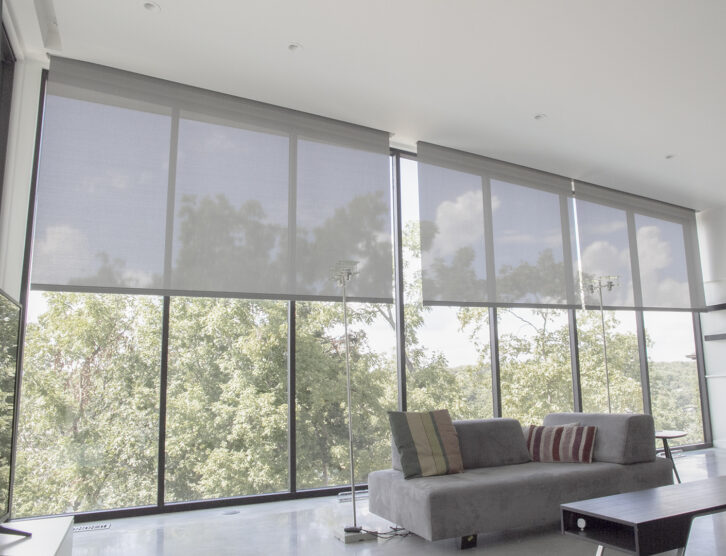
Add in motorized shades, wired lighting systems, or integrated security, and it’s no longer a product installation; it’s building a system. That’s where professionals truly earn their keep.
DIY success isn’t just about skill; it’s about tolerance for friction. Installing a smart lock might seem straightforward until it’s time to align deadbolts, calibrate motors, and troubleshoot connectivity issues at the same time. Setting up a smart hub can involve firmware updates, device pairing quirks, and inconsistent app behavior. For some people, that’s part of the fun. For others, it’s a fast track to frustration.
There’s also a hidden layer here: problem-solving ability. Smart home devices don’t always fail in obvious ways. A shade that won’t respond might be a power issue, a network issue, or a software glitch. Professionals are paid not just to install but to diagnose, a skill that many self-proclaimed DIY aficionados just don’t possess.
The Safety and Liability Question
 This is where the DIY conversation often gets oversimplified. Low-voltage, battery-powered devices are generally safe to install. But anything involving electrical wiring (hardwired lighting, in-wall switches, or powered shading systems) introduces real risk. It’s not just about doing it correctly; it’s about what happens if something goes wrong.
Improper installations can void warranties, create fire hazards, or even impact home insurance claims. A professionally installed system typically comes with liability coverage and workmanship guarantees, something DIY cannot offer. That “guarantee factor” becomes especially important for higher-cost installations, where a mistake isn’t just inconvenient; it’s downright expensive.
Of course, not all homes are created equal when it comes to smart technology. Older homes often present challenges that aren’t obvious at first glance: outdated wiring, inconsistent electrical loads, poor Wi-Fi coverage, or construction materials that interfere with signals. Even newer homes can have dead zones or network bottlenecks that impact performance.
A professional installer can assess the environment and generally solve any of these issues quickly. They may recommend mesh networking, strategic hub placement, or even alternative products based on your home’s layout. DIY installers often discover these limitations the hard way, after devices fail to perform as expected.
One of the biggest misconceptions in smart home adoption is that devices work together seamlessly out of the box. In reality, many DIY setups result in “islands” of functionality: your doorbell works, your shades work, your thermostat works, but they don’t communicate in meaningful ways. True smart homes are defined by automation: lights adjusting with daylight, shades responding to temperature, security systems triggering alerts and actions across devices.
Achieving that level of integration is where professional systems usually outperform DIY setups. Installers who work with platforms like Control4 specialize in creating unified experiences rather than disconnected gadgets. If the goal is achieving convenience at scale, not just individual features, that’s a compelling case for professional involvement.
Time: The Hidden Cost
DIY is often framed as a cost-saving measure. And on paper, it is. But time is rarely factored into the equation. A simple installation might take an hour. A multi-device setup with troubleshooting can stretch into days. Firmware issues, compatibility conflicts, and network adjustments can quickly turn a weekend project into an ongoing effort. For some, that time investment is acceptable. For others, especially busy professionals or families, paying for installation is less about difficulty and more about reclaiming time.
Here’s a factor that rarely gets discussed: how your installation holds up over time and how it looks to the next homeowner. Clean, professionally installed systems (especially those that are well-documented and standardized) can enhance perceived home value. Messy installations, visible wiring, or inconsistent performance can naturally have the opposite effect.
More importantly, professional setups are typically designed for durability. They accommodate future expansion, software updates, and system maintenance. DIY setups, while functional, are often built incrementally without a long-term plan.
So, When Do You Call a Pro?
Here’s a simple rule of thumb:
- DIY: When the device is standalone, battery-powered, and low-risk (doorbells, plugs, basic locks, simple lighting).
- Pro Consideration: When dealing with wiring, multiple devices, or system-wide automation.
- Definitely Pro: When safety, integration, or long-term reliability are priorities.
The smart home promise isn’t just about technology; it’s about how seamlessly the technology fits into a user’s life. Sometimes that’s as easy as mounting a device and downloading an app. Other times, it requires expertise behind the walls, behind the network, and behind the scenes.
Knowing the difference is what turns a collection of gadgets into a truly smart home, something a pro is thoroughly prepared and trained to do.
About the Author
Jason Turner is the co-founder and VP of PowerShades, one of the leading designers and manufacturers of manual and motorized shades and a wholly owned subsidiary of Springs Window Fashions. Follow him on LinkedIn at https://www.linkedin.com/in/jasonbturner/.
See also: