 For years, the smartphone industry could rely on a predictable rhythm: new flagship launches, carrier promotions, and a wave of upgrades every 12 to 24 months. That rhythm is breaking.
New data from Allstate Protection Plans’ 2025 Mobile Survey suggests the U.S. market has moved into a more pragmatic phase—one defined less by hype and more by longevity, cost pressure, and a growing, if conflicted, sense of environmental responsibility.
The headline is simple: Americans are keeping their phones longer.
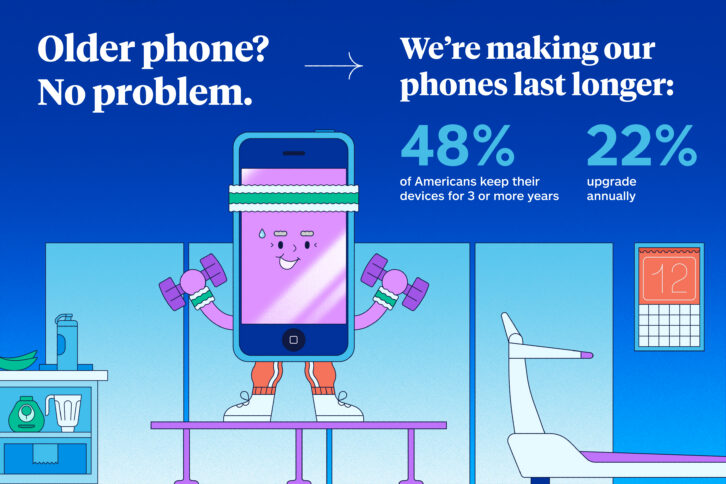 While 27% of respondents still upgrade every two years, 23% now stretch their devices to three or four years. Another 21% wait until their phone actually breaks before replacing it. Just 22% upgrade within 12 months, and only 3% swap devices within six months.
That’s not just a statistical shift. It reflects a deeper change in how consumers view their phones—not as fashion statements, but as durable personal infrastructure.
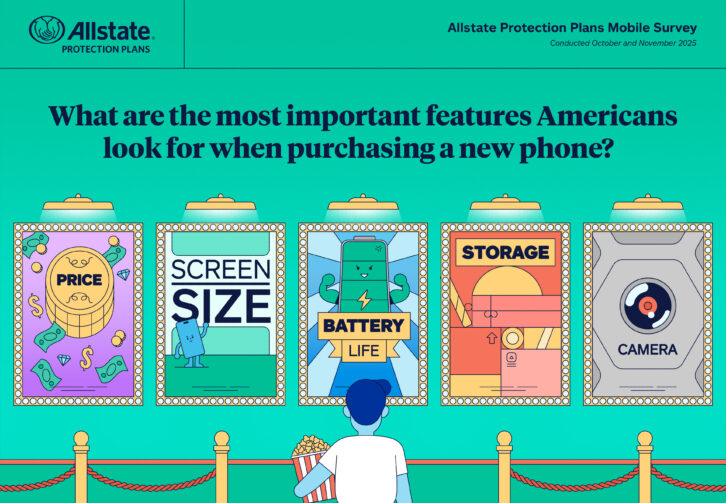
That pragmatism shows up clearly in purchase priorities. For the first time, battery life has overtaken price as the top driver of buying decisions. Storage remains a core consideration. Camera quality has climbed. Screen size has slipped. Brand reputation has gained importance.
And despite the industry’s heavy push into AI, only 17% of Americans say AI features are a major influence on their buying decisions right now.
 In other words, performance that lasts all day matters more than features that demo well on a stage.
The survey also exposes a familiar tension between values and behavior.
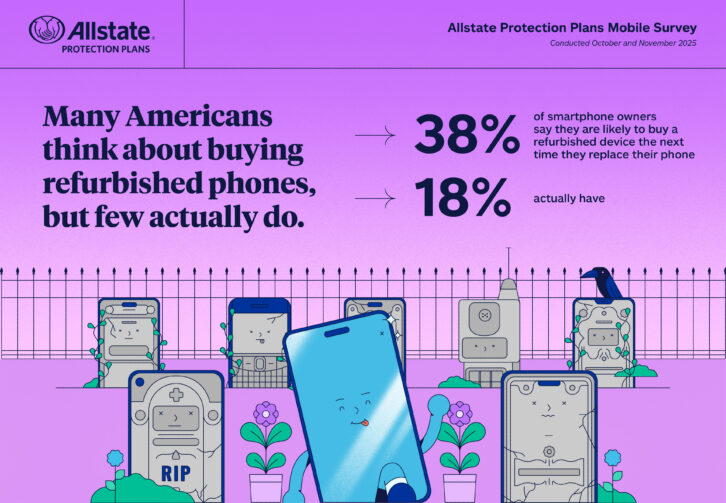
A majority of respondents—52%—say the environmental impact of smartphones is “extremely or very important.” Sixty-five percent agree that refurbished electronics are economical and sustainable. Yet just 37% say they’re likely to buy refurbished devices, and only 18% have actually done so.
 The trust gap is hard to ignore. Among those hesitant about refurbished phones, 52% cite quality concerns, 51% worry about defects, and 40% worry about data privacy. “New” still signals reliability in a way “refurbished” does not.
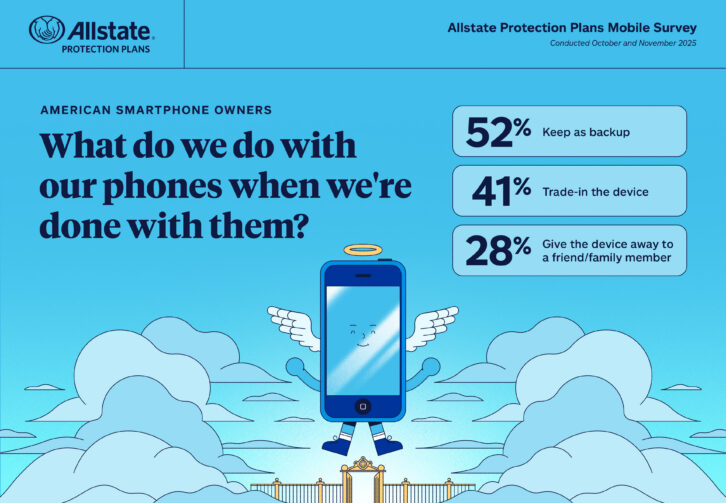
Recycling tells a similar story. Only 20% recycle old phones. Eight percent still throw them in the trash. More than a quarter (26%) aren’t confident they know how to recycle a phone at all. Meanwhile, the average household has 1.8 unused smartphones sitting idle.
Consumers care—but the path of least resistance often wins
 At the same time, environmental signals are beginning to influence buying behavior. Roughly a third of respondents say they’re more likely to purchase from manufacturers committing to emissions reductions or using recycled materials such as ocean plastics or glass. Sustainability may not close the sale on its own, but it’s entering the decision matrix.
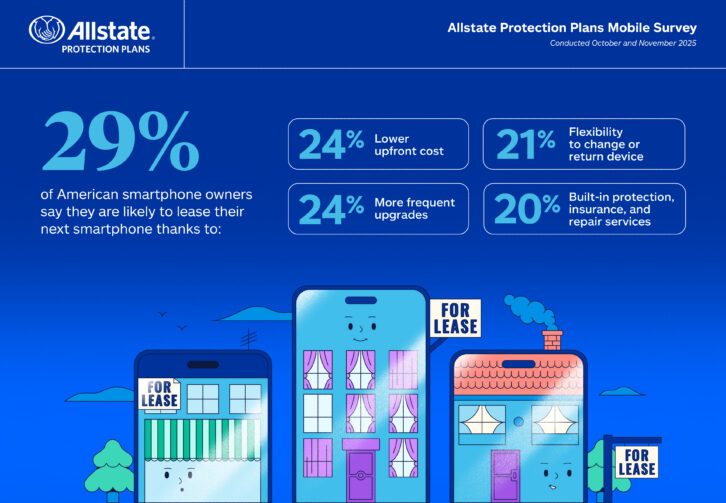
Perhaps most interesting is the growing openness to rethinking ownership altogether. Twenty-nine percent of Americans say they would consider leasing a smartphone the next time they upgrade, citing lower upfront costs, flexibility and bundled protection or repair services.
“With tighter budgets and diminishing emphasis on chasing the latest tech innovations, consumers are taking a more thoughtful approach to smartphone ownership,” said Karl Wiley, Global President and CEO of Allstate Protection Plans. “This is why we’re seeing growing interest in leasing and Device-as-a-Service models across the globe – which integrate repair, recycling, and end-of-life management directly into the ownership experience.”
If this data holds, the next phase of the smartphone market won’t be driven by faster refresh cycles. It will be shaped by durability, trust, and business models that make ownership, or access, feel less risky and more responsible.
For independent retailers, this shift toward longer ownership cycles presents a clear opportunity. If consumers keep their smartphones for three or four years – or until they break – there is a natural appetite for protection. Extended warranties and protection plans move from being an upsell to a practical safeguard, especially as repair costs climb and devices become more central to daily life.
Retailers that position coverage as a way to protect a long-term investment, rather than as an add-on at checkout, can build trust, increase attachment rates, and create recurring revenue streams. In a market where fewer customers are upgrading annually, protection plans offer independents a way to stay connected to the customer well beyond the initial sale.
See also: Allstate Protection Plans Partners With Staples Canada For Trade-In Program