 For decades, a door lock was a once-in-a-lifetime purchase. Mechanical locks historically remained in service for 15-20 years, sometimes even more. You installed it, trusted it, and rarely thought about it again unless it broke. But in the past decade, that mindset has changed dramatically. Today, most consumers view locks through the same lens as smartphones or connected devices: they expect ongoing innovation and newer features, shorter replacement cycles, and more choice.
When I was working at Lowe’s earlier in my career, I saw the early signs of this shift. Smart home technology was beginning to influence how people shopped. Instead of a one-and-done lock, consumers started asking: What’s the newest version? What features does it add? How can it make my daily life easier? Just as Apple’s annual iPhone release sets an expectation for continual upgrades, smart locks have become products people consider replacing every two or three years.
This shift has major implications not just for manufacturers, but also for the retailers who decide what gets stocked and which brands get the coveted space on their shelves.
New Players, New Expectations
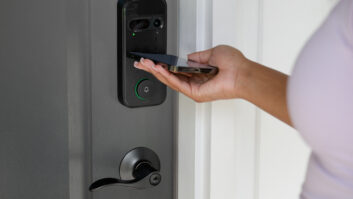
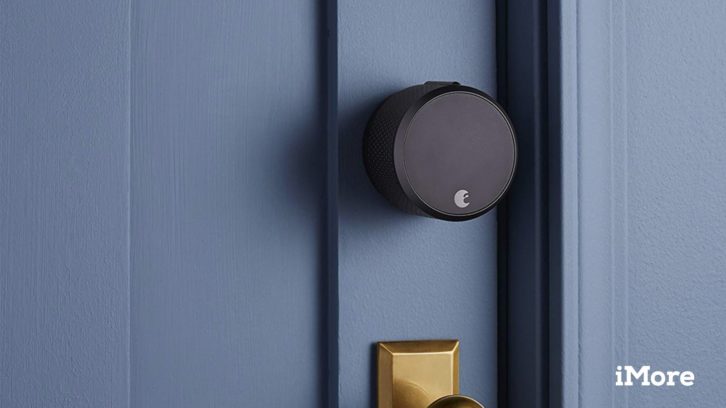
 (image credit: August)
Legacy hardware companies once defined the lock aisle. Their brands were household names, and for a long time, they faced little competition. But smart home adoption opened the door for disruption. Consumers became more willing to try something new – particularly from companies that approached the lock not just as hardware, but as a connected device.
One of the first examples was August. Its locks were simple but innovative, asking the fundamental question: How can I automate my front door? That question paved the way for a wave of new players – from tech-first startups to companies rooted in the consumer electronics space.
Today, the result is a bifurcated market. Some customers still shop for locks the old-fashioned way, heading to a home improvement retailer to pick something that looks good and feels sturdy. Others treat a smart lock like a thermostat, camera, or speaker – something that must integrate with the rest of their ecosystem, work with Alexa or Google, and deliver digital peace of mind. Both groups want security and ease of use, but the purchasing journey is quite different.

Take the example of a homeowner replacing a broken deadbolt. They might go to Home Depot, compare finishes and price points, and walk out with a replacement the same day. Contrast that with a smart home enthusiast, who might browse Best Buy, research compatibility with their smart home hub, watch online videos, and spend significantly more for multi-purpose functionality. Both are “lock customers,” but their motivations and expectations couldn’t be more different.
Addressing Misconceptions
Despite growing adoption, one concern still hangs over the smart lock category: security. Can a connected lock be hacked? It’s a valid question – and one the industry needs to address head-on.
The reality is that most smart locks today use bank-level encryption, such as 128-bit encryption, the same standard banks rely on for digital transactions. PIN code management, however, can vary by brand. In many cases, codes are stored locally on the lock itself rather than being transmitted through an app or cloud server. This means that even if an app or server were compromised, access codes would not automatically be at risk. Other approaches may transmit codes through connected platforms, which creates different considerations for how data is protected.
What matters most is transparency. Retailers and manufacturers need to clearly explain how their products handle credentials, dispel misconceptions, and emphasize that strong encryption and responsible data practices are fundamental to consumer trust.
How COVID Changed the Front Door

The pandemic accelerated smart lock adoption in surprising ways. Early in the COVID-19 pandemic, consumers gravitated toward touchless, key-free entry as a matter of hygiene and convenience. Cars had already normalized push-button starts, and people began to ask: Why am I still carrying a house key?
But the more lasting shift came later. As hybrid work took hold, people weren’t home as much, yet they still wanted visibility into their homes. Parents wanted to know when the kids got home from school. Professionals wanted to check that their door was locked after leaving in a rush.
Delivery access became a conversation as e-commerce surged.
Even after the pandemic spike, demand has continued to rise because remote control and peace of mind have become core expectations for some homeowners. What started as a health-driven adoption curve has evolved into a lifestyle-driven one.
The Shelf Space Tug-of-War
All of these dynamics come to a head at retail, where the “shelf war” is being fought. For decades, legacy brands dominated the aisles of Lowe’s, Home Depot, and other big-box stores. Their early adoption of motorized locks cemented their position at the coveted eye level – what merchandisers call the “golden shelf” – where products can see sales increases of up to 30%.
But times are changing. Home Depot has expanded its smart home presence with exclusive product launches and dedicated “Hubspace” ecosystems, while Lowe’s introduced its Digital Home Platform to help customers manage connected devices. Best Buy has doubled down with comprehensive smart home services, offering installation, setup, and in-home consultations – infrastructure investments that require expanded floor space for demonstration and education.
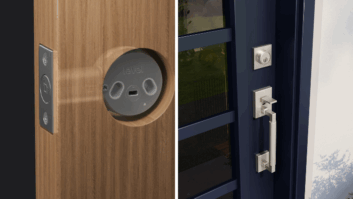
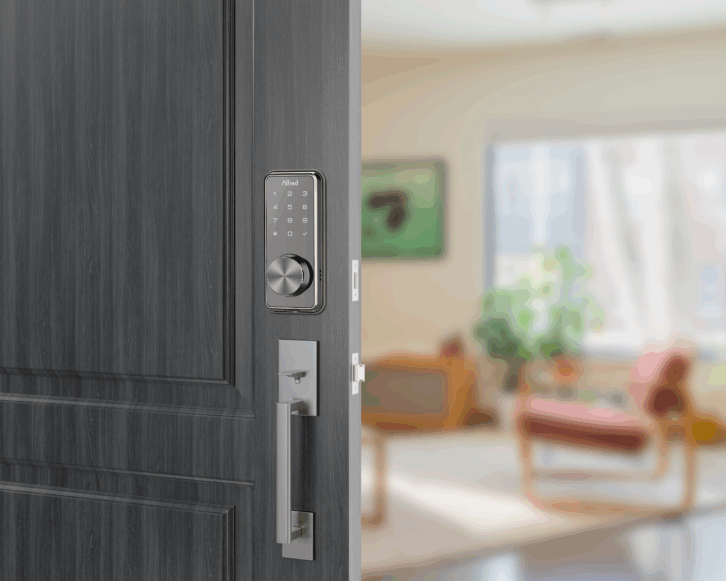
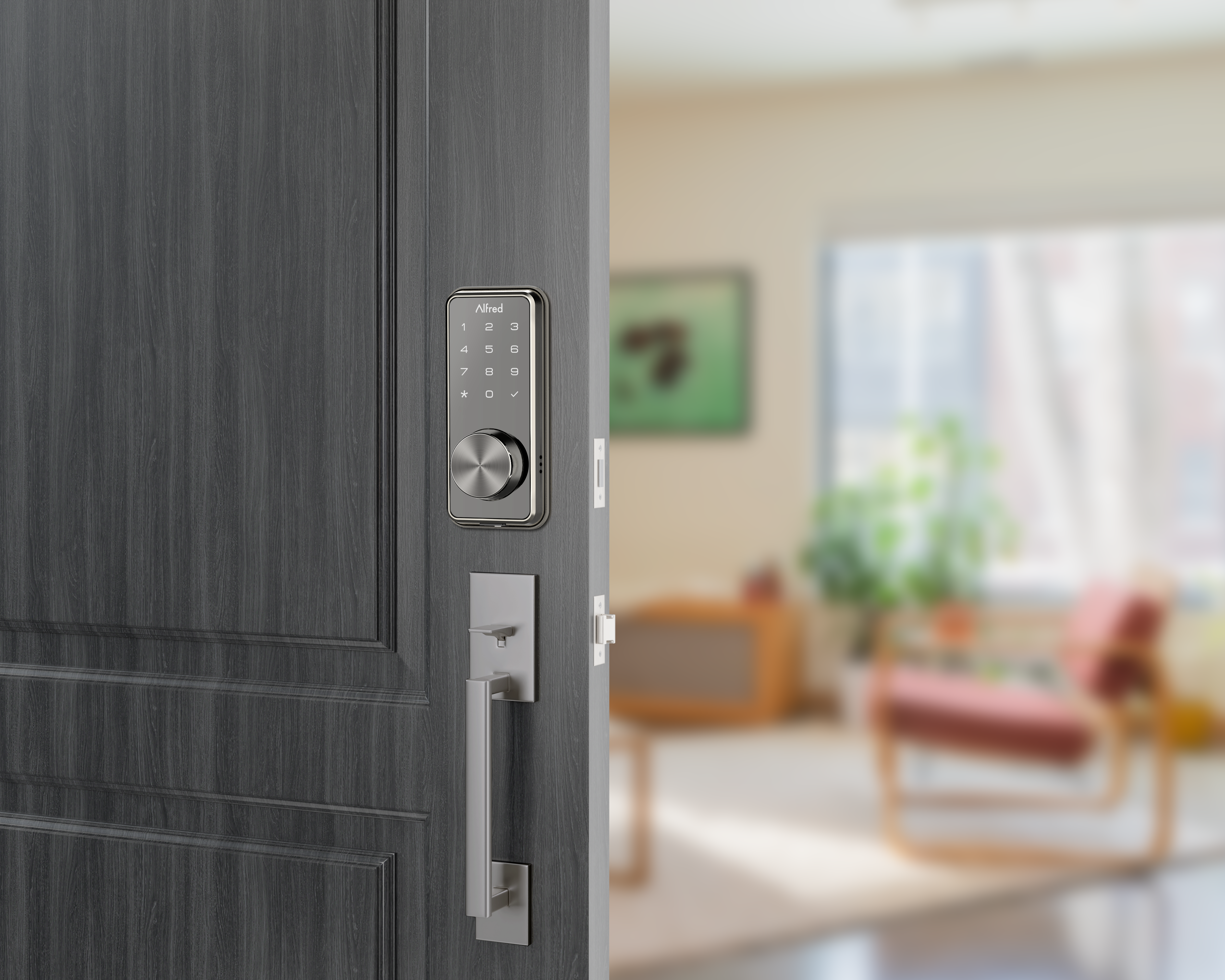
Retailers are starting to carve out space for brands that bring fresh design and new thinking to the category. Alfred, for instance, has taken a design-first approach – locks that are as beautiful as they are functional. The goal is to make a product that homeowners want to showcase on their front door, not hide. Design-forward, technology-integrated products are reshaping what retailers consider a must-have on their shelves.
Retrofit solutions have also forced retailers to rethink assortment. Locks are no longer limited to front doors. Consumers want smart access for garages, side entries, interior doors, cabinets, and even lockers. This diversification creates new opportunities – and new competition – for shelf space. Successful merchandising now involves cross-category adjacencies, with smart locks positioned alongside security cameras, video doorbells, and home automation hubs to encourage complete ecosystem purchases and maximize the value of every square foot of retail real estate.
What Retailers Need to Win
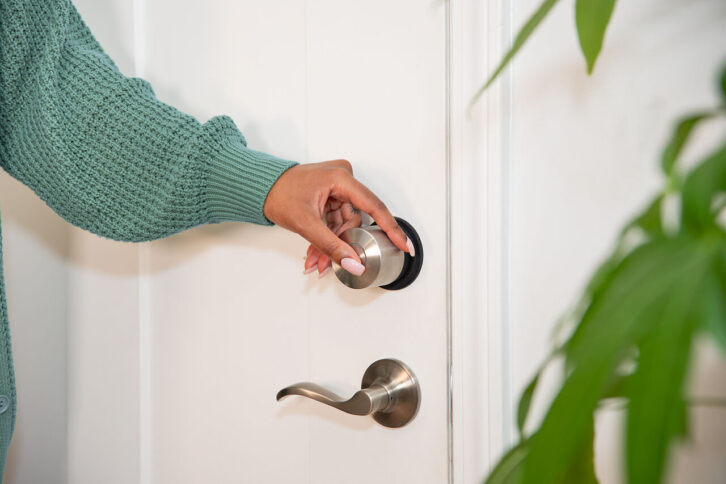 For retailers, the battle isn’t only about which brands to carry, but how to sell them effectively. Smart locks require more explanation than a traditional deadbolt. Retailers need:
- Education and training: Sales staff must be able to explain features in clear, consumer-friendly terms.
- In-store displays: Shoppers want to touch, test, and visualize how a lock works before buying.
- Omnichannel content: Online documentation, videos, and FAQs are essential for pre-purchase research.
- Ecosystem clarity: Retailers prioritize products that integrate seamlessly with Alexa, Google, Apple, and other major platforms.
- Supply chain reliability: Stockouts can derail consumer confidence, and tariffs or factory constraints make newer players vulnerable.
A retailer I spoke with recently compared smart locks to smart thermostats five years ago: early demand, steep learning curves, and a need for education-heavy merchandising. The brands that succeed will be the ones that make the category easy to understand for both associates and shoppers.
Omnichannel is the New Normal
Smart lock buyers rarely make purchases without a hybrid journey. Research happens online, but final decisions often depend on in-person experience. A shopper might read reviews and compare specs at home, then head to a store to physically test a product before purchasing — either in-store or online later.
This means physical retail is increasingly becoming a showroom for discovery, while digital platforms are where transactions close. It’s not either/or; it’s both. For retailers, that means shelf space isn’t just about real estate — it’s about being part of a larger omnichannel journey.
Looking Ahead
The smart lock category is only beginning to realize its potential. Most households start with one device, but with two or three exterior doors in the average home, the expansion opportunity is clear. As adoption grows, we can expect both more innovation from new entrants to the market and some consolidation, with legacy brands acquiring design-forward players.
Smart locks will also solidify their role as the missing link in the connected home. Cameras and doorbells let consumers see who’s outside – but only a smart lock gives them the ability to grant access. As smart homes expand, locks will be the key to moving from visibility to true control.
The shelf war isn’t just about securing space in retail aisles. It’s about defining the future of how consumers experience the smart home: balancing design, technology, security, and convenience. The winners will be the brands that recognize the lock is no longer just hardware – it’s a lifestyle device at the center of the connected home.
See also: How Gemini For Home Could Affect Your Retail Strategy