Something interesting is happening in consumer electronics retail, and most shoppers don’t even notice it. The person guiding them toward a 65-inch QLED used to be a sales associate armed with talking points.
Now it’s an algorithm that knows their streaming habits, room size, and budget before they’ve said a word. AI-driven recommendation engines have quietly moved from novelty feature to core buying infrastructure, and the shift is changing how people research, shortlist, and purchase their next TV. The question worth asking isn’t whether this matters. It’s how far it’s already gone.
How Recommendation Engines Actually Work
At the core of it, these systems are pulling from a surprisingly wide pool of data. Purchase history, browsing patterns, search queries, and even the type of content a user streams most often all feed into models that predict what someone actually wants versus what they think they want. The gap between those two things turns out to be enormous.
What makes modern engines different from the early “customers also bought” carousel is the layering. Think of it like building out a resume with a smart advisor – they have 20+ years of experience more than you and know what you need based on your habits.
Recommendation engines from Amazon to boutique sites are building probabilistic profiles that update in real time, factoring in signals the shopper never consciously offered. It’s a fundamentally different kind of selling, and it’s operating mostly below the surface.
The Death of the Blank Slate Shopper
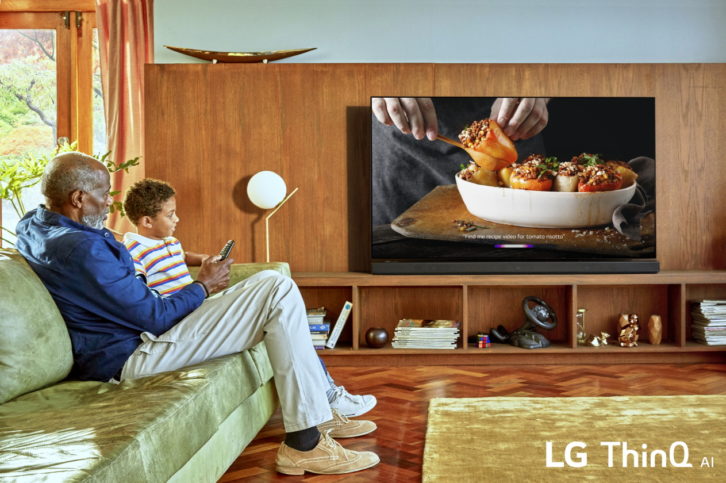 Ten years ago, someone walking into a Best Buy or browsing a retailer’s site arrived with maybe a vague budget and a brand name they’d heard. The discovery process was largely linear: browse, compare, decide. That model is fading fast, and it’s not coming back.
Today’s shopper is pre-qualified before they’ve clicked anything meaningful. By the time they hit a product page, the recommendation layer has already assembled a shortlist based on who they are, not just what they searched.
Retail platforms like Amazon have been doing this for years, but the technology has matured enough that mid-size and specialty retailers are deploying it too. The playing field is leveling, and shopper expectations are rising right along with it.
Why TVs Are the Perfect Test Case
No product category reflects this shift quite as clearly as televisions. Buying a TV used to require a working knowledge of panel types, refresh rates, HDR standards, and a dozen other specs that most people genuinely don’t want to learn. Recommendation engines sidestep all of that friction in a way that feels almost effortless from the buyer’s side.
If the system knows you primarily watch sports, it’s going to weight motion handling higher than local dimming performance. If you’re a cinephile streaming from a calibrated source, it’ll push you toward OLED.
The engine is essentially doing the homework for the shopper, collapsing a research phase that used to take hours into a decision that happens in minutes. For retailers, that’s both a conversion opportunity and a loyalty signal worth paying attention to.
The Role of Conversational AI in the Mix

There’s a newer layer entering the picture now, and it’s accelerating things considerably. Conversational AI tools built into retail sites, whether branded chatbots or full AI assistants, are turning passive recommendations into active dialogue. Instead of scrolling through filtered results, shoppers can describe what they want in plain language and get a curated answer back.
“I need a TV for a bright living room, under $700, good for gaming and my kids’ cartoons” is now a perfectly valid search input on a growing number of retail platforms. The AI parses it, weighs the constraints, and responds with a ranked shortlist and a plain-English explanation.
It’s closer to talking to a knowledgeable friend than wrestling with a filter sidebar, and retailers who’ve integrated this kind of interface are seeing measurable lifts in both time-on-site and conversion rate.
What This Means for Retailers
For the retail side of the industry, the implications are significant and, in some ways, still being shaped in real time. On the upside, recommendation engines reduce friction, increase average order value, and surface accessories or bundles that a shopper would never have found independently.
They also generate data that’s enormously useful for inventory planning and vendor negotiations, which is a secondary benefit that often goes underappreciated.
The harder question is differentiation. If every major retailer is running a sophisticated AI recommendation layer, the experience starts to homogenize in ways that matter. The retailers winning this race are thinking outside the box, while only using AI as an assistant.
They’re combining AI with genuine editorial voice, exclusive content, and post-purchase support that builds a relationship the engine alone can’t replicate.
The Trust Factor Nobody Talks About
There’s a real tension sitting underneath all of this that doesn’t get nearly enough airtime in industry conversations. Recommendation engines are optimized for engagement and conversion, but shoppers assume they’re being guided toward consistency and toward the best personal fit. Those two goals overlap a lot of the time, but they’re not the same thing, and the difference matters.
When someone buys a TV based on a recommendation, and it doesn’t live up to what they expected, the trust erosion doesn’t land on the algorithm. Sadly, it ignores the true culprit and lands on the retailer.
That means there’s a genuine responsibility to ensure these systems are transparent enough, and that the human layer of returns, support, and follow-up is ready to catch the cases where the model got it wrong. The technology is impressive. The accountability behind it still needs to catch up.
Final Thoughts
The buying journey for a television used to be a process. Now it’s increasingly a moment, shaped by systems that know more about what a shopper needs than the shopper does when they first start looking.
That’s genuinely remarkable, and it’s not slowing down. For retailers, the opportunity here is real, but so is the accountability that comes with it. The brands that figure out how to blend AI-driven personalization with actual human trust will own this category. Everyone else will be playing catch-up to an algorithm.
See also: Beyond the Buzzwords: What “Smart Home” Actually Means In 2026