Distributors
Resideo To Acquire Snap One
Snap One will integrate into Resideo's ADI Global Distribution business after deal closes
Update your browser to view this website correctly. Update my browser now
Snap One will integrate into Resideo's ADI Global Distribution business after deal closes

Streaming company wants to step up consumers to ‘fun’ and ‘simpler’ smart TVs with...

Audio quality is often an overlooked element that can significantly elevate your social media...

Partnership gives NMG members direct access to AWOL Vision’s cutting-edge short throw projectors, laser...
Elevating your workplace ergonomics with style

Ben Mahoney has been appointed as Global Training Manager at RTI, the company has...

Tasked with reviewing and assessing the group’s programs and offerings, event strategy, processes, and...

Brings over 25 years of experience to new role

New Crystal UHD 4K model joins the growing Samsung 98-inch-class TV portfolio alongside Neo...

Partnership allows for Vantage lighting control via Josh.ai app, remote, and voice commands


The first in a series of essays exploring and celebrating CTA’s and our industry’s...
Expands VX Series at ISC West 2024

Direct from the show floor, learn how 1MORE is keeping its customers entertained, safe, and on the cutting edge of audio
Midea represents the latest company to join Marcone’s lineup

Collaboration amplifies brand reach and support

Partnership expands training and resource opportunities for both organizations

Brands aim to enhance the offerings available to Azione Unlimited's dealer network
Findings covered in NRF's fourth annual State of Retail & the Consumer virtual discussion
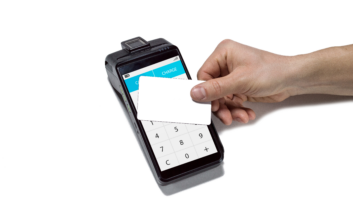
Rain Technology’s E-privacy technology has already been implemented in screens of smartphones, laptop computers,...

Specialty Home Goods Retailer Makes Financing a Positive Option for Consumers
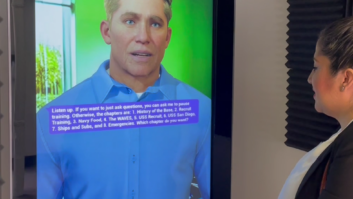
Each year we take a step closer towards virtual assistants being omnipresent in our...
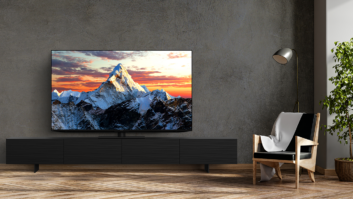
Company also to be the first to offer Roku TV OS in OLED technology

Yale Pro 2 brings a new range of smart lock options to better serve...


Josh.ai officially pushes Nimble DevSuite to customer systems this week with new integration partners...

Analysts claim Apple could cancel the foldable iPhone
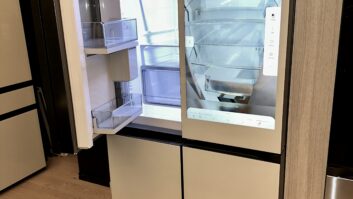
New premium Samsung refrigerators, ranges, washers/dryers, and vacuums focus on expanding smart whole home...

Yamaha AV products now available at select AlarMax branch locations

Award-winning Flexus embodies advances in audio performance, connectivity, modularity, and setup

Completes $10M Fundraising Round, gains Z-Wave device testing lab certification

Crestron reaffirms actions to make a meaningful impact individually and alongside the greater AV community.

Brings 30 years of sales experience at AudioControl

Conference takes place May 7-9 at the Hilton Dallas/Plano Granite Park Hotel in Plano, TX

Mike Welch also hired as Global VP of Sales and Marketing

K-array USA has announced the appointment of Keith Shindoll as Sales Manager for the Western United States region. With over 20 years of experience...

Don't be afraid to tap into your existing client base to do more business

What can retailers do to retain customers in this new retail landscape?

Suggestions to help make permanent remote work-from-home setups more efficient

Everyone’s situation is different, and we must embrace our differences—or risk becoming very disengaged.

Among the Diverse Product Lines Severtson Offers its Customers Include Cable Drop Screens, Ambient...

AlarMax announces a new Fort Lauderdale branch to provide dealers with personalized support, training...

The new Screen Innovations CarbonBlack® Mesh Holographic Screens for Interactive 3D realism, depth, and...

The addition of two reputable reps offers residential integrators in the Rockies and Midwest...

Copenhagen, Denmark, April 10, 2024 — Kim Bjørn, founder of Danish independent book publisher Bjooks, has...